



















Knowledge Center: Your Go-To Resource for ADUs and Tiny Living
Knowledge Center: Your Go-To Resource for ADUs and Tiny Living
Email [email protected]
Phone 860-TINY-HOM (es)
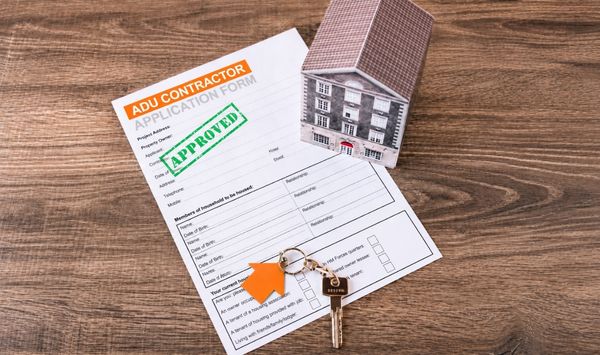
What Should an ADU Construction Contract Include in Connecticut Before You Sign?
Building an accessory dwelling unit (ADU) is a major investment. Before you hire a builder or commit to construction, you need to understand exactly what you are agreeing to.
A construction proposal may show an attractive starting price. But does that price include excavation, utility connections, permits, and site preparation? Who handles unexpected costs? What happens if the design changes or construction takes longer than expected?
These are important questions for any homeowner planning a custom ADU.
An ADU construction contract in Connecticut should clearly explain the scope of work, construction price, exclusions, payment schedule, permit responsibilities, project timeline, change orders, and warranties.
A clear agreement helps you compare builders, understand your financial commitment, and avoid preventable misunderstandings.
This guide explains what an ADU builder contract should include, how to review it before signing, what affects the final project cost, and which mistakes to avoid.
What Should an ADU Construction Contract Include?
A good ADU construction agreement should explain what your builder will deliver and what you are responsible for providing.
It should also identify which project details are confirmed and which still require further evaluation.
1. Contractor information and registration
Your contract should identify the contractor's legal business name, address, and contact information.
It should also include any registration information required for the work being performed.
Connecticut has different requirements for certain home improvement projects and new home construction. The correct registration category depends on the project.
Before signing, verify the contractor's applicable registration and insurance. Ask who will supervise construction and which licensed professionals will perform electrical, plumbing, and other regulated work.
You can review contractor information through the Connecticut Department of Consumer Protection.
2. A detailed scope of work
The scope of work explains exactly what the contractor agrees to build.
For a custom accessory dwelling unit, it should identify the approved plans, specifications, materials, and construction responsibilities.
Important details may include:
ADU size and floor plan
Foundation and structural work
Framing, roofing, siding, windows, and doors
Insulation and interior finishes
Plumbing, electrical, heating, and cooling
Kitchen and bathroom fixtures
Site preparation and grading
Water, sewer, and electrical connections
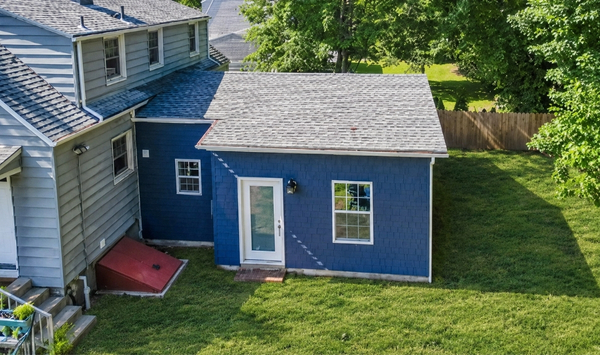
The agreement should also identify whether the project is a detached ADU, attached ADU, or conversion of an existing space.
These projects can have different structural and site requirements.
Avoid accepting vague descriptions such as "complete ADU construction" without supporting specifications.
3. Construction price, allowances, and exclusions
One of the most important parts of an ADU builder contract is the pricing section.
A starting construction price does not always represent the total project investment.
Some proposals may exclude:
Excavation or unsuitable soil removal
Tree removal and site clearing
Drainage improvements
Septic system upgrades
Electrical service upgrades
Underground utility trenching
Surveys and engineering
Permit fees
Landscaping restoration
Ask the builder to identify every known exclusion.
Also review any allowances. An allowance is an estimated amount for an item that has not been fully selected or priced.
If your final selections exceed the allowance, your project cost may increase.
4. Payment schedule and construction milestones
An ADU construction payment schedule should explain when payments are due and what each payment covers.
Payments may be connected to specific construction stages, such as foundation completion, framing, or other agreed milestones.
The agreement should clearly identify deposits, progress payments, and final payment requirements.
Applicable Connecticut laws may impose additional requirements depending on the type of contract.
5. Permits, timeline, changes, and warranties
Your agreement should explain who prepares permit applications, coordinates inspections, and responds to required corrections.
It should also address the expected construction schedule, possible delays, and how changes are approved.
Finally, review warranty coverage, termination provisions, and the process for resolving disputes.
The goal is simple: Important promises and responsibilities should be documented before construction begins.

How Should You Review an ADU Construction Contract Before Signing?
You do not need to understand every technical construction term to review an agreement.
However, you should be able to explain what you are purchasing, what it may cost, and what happens next.
Follow these steps before approving an ADU construction proposal.
Step 1: Confirm your property's ADU feasibility
Before committing to construction, determine whether your property can support the proposed ADU.
Property feasibility involves more than choosing a floor plan.
Important factors may include:
Lot dimensions and available building area
Setbacks and access requirements
Existing structures and easements
Water and sewer availability
Wetlands and environmental restrictions
Utility connection locations
Construction equipment access
Some questions may require a property survey, engineering review, or local approval.
Do not assume that a preliminary design is automatically approved for construction.
If important feasibility questions remain unresolved, ask how the contract addresses them.
For example, what happens if a septic evaluation identifies a required upgrade? What if the proposed building location needs to change?
Understanding these possibilities early can prevent expensive surprises.
Step 2: Match the agreement to your ADU plans
Review the contract alongside your drawings, material selections, and project specifications.
Confirm that the written documents reflect the design you discussed.
If you selected a particular kitchen layout, bathroom fixture, or exterior finish, make sure it appears in the appropriate project documents.
Pay attention to unfinished selections.
Some builders use allowances for cabinets, flooring, fixtures, or appliances. These amounts may change when you make final choices.
Ask which selections are fixed and which remain open.
Step 3: Review site preparation and utility work
Site conditions can significantly affect ADU construction costs.
A detached backyard ADU may require a new foundation, excavation, drainage work, and underground utility connections.
An attached ADU may require structural modifications and connections to existing systems.
Ask your contractor:
Is excavation included?
Who handles utility trenching?
Has septic capacity been evaluated?
Are drainage improvements expected?
Will electrical service need upgrading?
What happens if unexpected ground conditions are discovered?
The answers should be reflected in the agreement or supporting documents.
Step 4: Understand how change orders work
An ADU change order documents a modification to the original construction agreement.
Changes may involve materials, finishes, layout, equipment, or unexpected site conditions.
A clear change-order process should explain:
What work is changing
Why the change is needed
How much it will cost
Whether the timeline will change
Who must approve the change
Whenever practical, review and approve the written change before the additional work begins.
This helps avoid disagreements about verbal requests or unexpected charges.
Step 5: Clarify responsibilities and communication
Ask who will be your main contact during construction.
Confirm who coordinates subcontractors, inspections, scheduling, and project updates.
Also ask how often you can expect progress reports and how questions will be handled.
Clear communication is especially important when construction takes place near your existing home.
Step 6: Review unresolved legal terms
If a contract provision is unclear, request a written explanation.
For significant legal or financial concerns, consider having a Connecticut attorney familiar with residential construction review the agreement.
An independent review may help you understand your obligations before signing.
Want to know whether your property is a fit for a custom ADU?
Schedule a consultation with Contemporary Tiny Homes to review property feasibility, construction options, investment considerations, and the next steps toward your project.
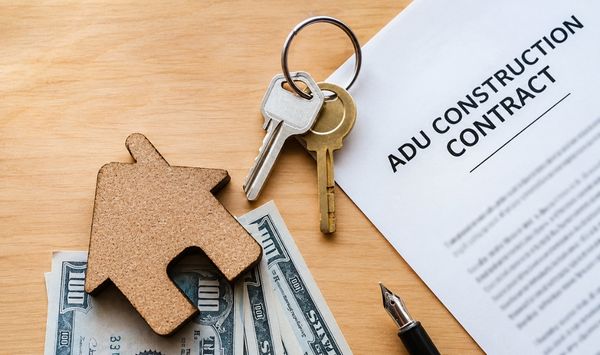
How Much Does an ADU Construction Contract Cost, and What Timeline Should You Expect?
The final ADU construction cost depends on the building design, property conditions, materials, and services included in the agreement.
Two homeowners may choose similar floor plans but face very different site preparation expenses.
Understanding these differences is essential when comparing ADU contractor quotes.
What affects the total ADU construction cost?
Several factors influence the final investment.
ADU size and layout
Larger ADUs generally require more materials and labor. However, smaller buildings still need essential systems such as plumbing, electrical, heating, and foundations.
Attached versus detached construction
A detached ADU typically needs its own foundation and may require longer utility connections.
An attached ADU may involve changes to the existing home's structure or mechanical systems.
Neither option is automatically less expensive on every property.
Site preparation
Excavation, grading, drainage, retaining walls, and access conditions can affect construction costs.
A relatively level backyard with convenient equipment access may require different preparation than a sloped or restricted site.
Utilities and septic systems
Water, sewer, electrical, and septic requirements can be major cost factors.
For properties with septic systems, additional capacity or system modifications may be necessary.
Materials and finishes
Flooring, cabinetry, appliances, fixtures, windows, and exterior finishes affect the price.
Upgrades made after the contract is signed may require change orders.
What is the difference between a fixed price and an allowance?
A fixed price generally applies to a defined scope of work.
However, a fixed-price agreement may still include allowances, exclusions, or provisions for unforeseen conditions.
For example, the building structure may have an agreed price while the cost of a septic upgrade remains unresolved.
Ask which expenses are confirmed and which depend on further investigation.
A clear contract should make these distinctions easy to understand.
How should construction payments work?
Payment schedules vary depending on the project and agreement.
A typical milestone-based structure may identify payments connected to defined stages of work.
The contract should explain:
The amount of each payment
When payment becomes due
What work or service the payment covers
How additional work is billed
How final payment is handled
Do not assume that every contractor uses the same schedule.
Review payment requirements carefully and confirm that the agreement complies with applicable law.
How long does an ADU project take?
An ADU project involves several stages before the homeowner can use the finished space.
These often include:
Property feasibility review
Design and engineering
Permit applications and approvals
Site preparation
Foundation and building construction
Utility connections and inspections
Final corrections and project completion
The overall timeline depends on project complexity, approval requirements, site conditions, and construction scheduling.
Permit reviews, weather, material availability, and homeowner decisions can also affect progress.
Ask whether the contract's estimated completion date includes design and permitting or only physical construction.
This distinction matters when planning housing arrangements or coordinating a family member's move.
What should happen before final payment?
Understand how the builder will handle inspections, unfinished items, warranties, and project documents.
Ask how outstanding work will be identified and resolved.
Depending on the project, closeout documents may include inspection approvals, equipment information, and warranty materials.
A clear completion process helps both parties understand when contractual obligations have been fulfilled.
What Mistakes Should You Avoid Before Signing an ADU Construction Agreement?
Even experienced homeowners can overlook important contract details.
The following mistakes are especially relevant when planning a custom ADU.
Mistake 1: Choosing the lowest ADU contractor quote
A lower proposal does not always mean a lower total project cost.
One contractor may include site preparation and utility connections while another excludes them.
Compare the scope, specifications, allowances, and exclusions before comparing prices.
Mistake 2: Assuming the starting price includes everything
A quoted building price may not include property-specific expenses.
Septic upgrades, electrical improvements, excavation, and drainage can affect the final investment.
Ask for a written explanation of known exclusions and unresolved costs.
Mistake 3: Signing before confirming property feasibility
Do not assume your preferred ADU design or location is automatically permitted.
Lot conditions, utility access, and approval requirements may affect what can be built.
Understand how unresolved feasibility issues will be handled before committing.
Mistake 4: Relying on verbal promises
Verbal discussions are useful, but important project details should appear in writing.
This includes material selections, construction responsibilities, pricing, and schedule commitments.
If something matters to your decision, ask for it to be documented.
Mistake 5: Ignoring the change-order process
Design changes can affect labor, materials, inspections, and timelines.
Without a clear approval process, homeowners may face unexpected charges or disagreements.
Ask how every change will be priced and approved.
Mistake 6: Overlooking contractor credentials
Verify the registration appropriate to the project and confirm relevant insurance coverage.
Ask about the qualifications of specialty trades.
Registration alone does not guarantee quality, so reviewing references and completed projects is also important.
Mistake 7: Skipping warranty and termination terms
Homeowners often focus on construction price and overlook what happens if the project is delayed or interrupted.
Review warranties, termination provisions, dispute procedures, and any applicable cancellation rights.
Make sure you understand these terms before signing.
Frequently asked questions about ADU construction contracts
Does an ADU construction contract need to be in writing?
Covered home improvement contracts are subject to written-contract requirements under Connecticut law. The rules applicable to a specific ADU project depend on the work and agreement. A detailed written contract is important for any substantial construction project.
Can an ADU contractor increase the price after signing?
It depends on the contract. Approved changes, allowances, and provisions for unforeseen conditions may affect the final price. Review these terms before agreeing to construction.
Who is responsible for ADU permits?
The agreement should identify who prepares applications, submits documents, coordinates inspections, and pays related fees. Responsibilities may vary by project.
Should I pay an ADU builder before construction starts?
Some upfront payments may cover agreed design, planning, materials, or other services. The amount and timing must comply with applicable requirements. Ask what each payment covers.
Should I hire an attorney to review my ADU construction contract?
An attorney familiar with residential construction can help explain legal terms, payment obligations, termination provisions, and potential risks. This can be valuable before making a substantial financial commitment.
Conclusion: Understand Your ADU Contract Before You Commit
An ADU construction contract should give you a clear picture of what will be built, what it will cost, and how the project will move forward.
Before signing, review the scope of work, contractor credentials, pricing, exclusions, payment schedule, permit responsibilities, timeline, change orders, and warranties.
Pay particular attention to property-specific expenses. Site preparation, utilities, and septic requirements can make a significant difference in your total investment.
The right first step is understanding what your property can support and what your proposed project may require.
Ready to explore building a custom ADU in Connecticut?
Book a consultation with Contemporary Tiny Homes today. Discuss your property, housing goals, design options, potential construction costs, and the next steps toward a custom ADU.


Copyright 2026. All rights reserved. Norwalk, CT
Connecticut's New Home Construction Contractor License: #NHC.0017654
EPA Lead-Safe Certified NAT-F269966-1