




















Knowledge Center: Your Go-To Resource for ADUs and Tiny Living
Knowledge Center: Your Go-To Resource for ADUs and Tiny Living
Email [email protected]
Phone 860-TINY-HOM (es)

ADU Warranties in Fairfield County, CT: What Homeowners Should Know Before Building
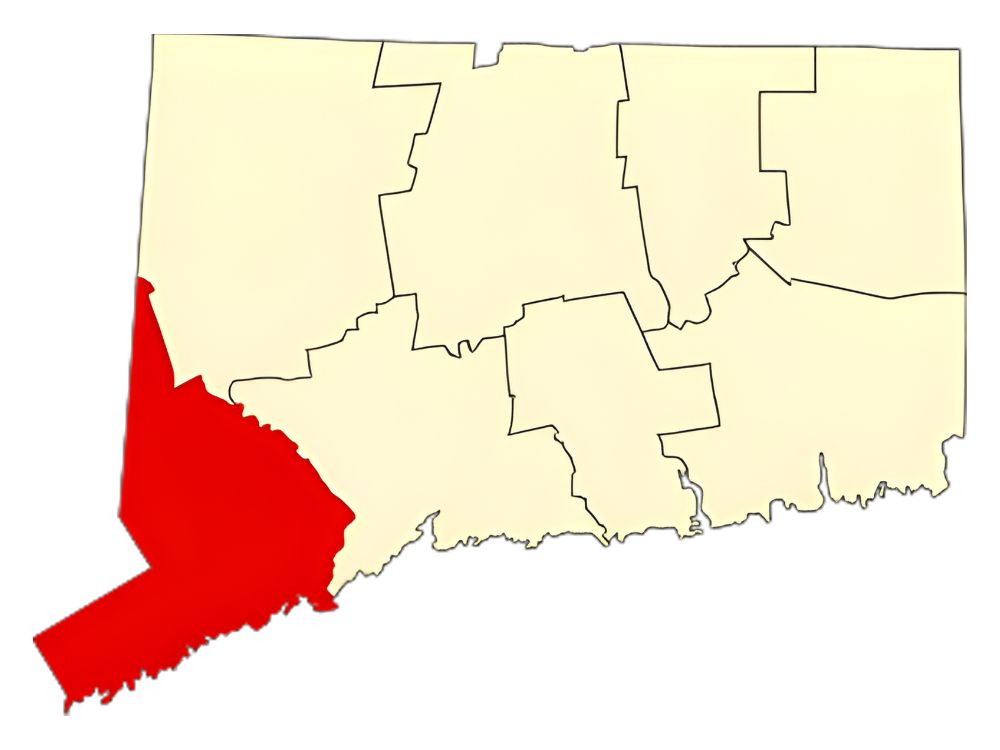
Homeowners across Fairfield County are exploring ADUs as a smart way to add flexible living space, support family housing, and improve long term property value. Whether you are considering a detached ADU behind your main home or an attached ADU that blends into the existing structure, it is important to understand how ADU warranties work before construction begins.
A new accessory dwelling unit is a major investment. You are not only paying for design and construction. You are also paying for peace of mind, quality control, and long term performance. That is why warranty coverage matters.
If you are researching an ADU builder in Fairfield County, CT, one of the best questions to ask early is this: what happens if something needs to be repaired after the project is complete? The answer often comes down to the builder warranty, the manufacturer warranties on key products, and how clearly each responsibility is documented.
Want to know whether your property is a fit for an ADU and what warranty questions to ask before moving forward? Schedule a consultation to review feasibility, layout options, and next steps for your Fairfield County home.
Why ADU Warranties Matter in Fairfield County
Fairfield County homeowners often build ADUs for practical, long range reasons. Some want more room for aging parents or adult children. Others want a private guest space, a flexible work from home setup, or the option for long term rental income. No matter the use case, the success of the project depends on more than just finishes and floor plans.
A clear ADU warranty helps protect your investment after construction is complete. It can define what is covered, how long coverage lasts, and what steps to take if a problem comes up. That clarity matters when you are making decisions about a Fairfield County ADU that may serve your household for years.
It also matters locally. In Connecticut, ADUs are shaped by state law, but town level zoning and permitting can still affect the planning and construction process. That makes it even more important to work with a builder who is organized, transparent, and able to explain both the build process and the warranty process clearly.

What an ADU Warranty Typically Covers
Not every builder offers the same warranty package, but most ADU warranties are built around a few main categories.
Structural Warranty
A structural warranty typically covers major components that affect the stability and integrity of the ADU. This may include parts of the foundation, framing, roof structure, and load bearing elements. Because structural repairs can be costly, this is often one of the most important parts of any new construction warranty.
For homeowners planning a detached ADU or attached ADU in Fairfield County, structural coverage should be reviewed carefully. Ask what is included, how long it lasts, and what conditions might limit coverage.
Workmanship Warranty
A workmanship warranty usually applies to installation related issues tied to labor quality. That can include problems with flooring, trim, cabinetry, drywall, doors, paint, and other finish details if they were not installed correctly.
This type of builder warranty can be especially important for custom ADU projects where detail work has a big impact on comfort and overall satisfaction.
Systems Warranty
Systems coverage generally refers to electrical, plumbing, HVAC, ventilation, and other functional systems within the ADU. If a covered defect appears during the warranty period, the builder may repair the issue according to the written warranty terms.
Because Fairfield County homeowners often want an ADU that feels fully independent and highly livable, understanding systems coverage is a smart step before signing a contract.
Appliance and Fixture Warranties
Many ADUs include appliances, mini split systems, water heaters, plumbing fixtures, and specialty products that carry their own manufacturer warranties. These are usually separate from the builder warranty. It is important to know where the builder warranty ends and where manufacturer coverage begins.
Builder Warranty vs Home Warranty
These terms are often confused, but they are not the same.
A builder warranty is tied to the construction of the ADU. It usually covers workmanship, materials, and certain systems or structural components for a defined period after completion.
A home warranty is typically a separate service contract that may cover repairs or replacement for certain systems and appliances. Some homeowners choose to add this extra layer of protection after construction, but it should not be confused with the original warranty offered by the builder.
If you are comparing ADU contractors in Fairfield County, make sure you know whether you are looking at a true builder warranty, a manufacturer warranty, a home warranty, or some combination of the three.
How Long Does an ADU Warranty Last?
There is no single timeline that applies to every project. Warranty length depends on the builder, the contract, and the category of coverage.
In many cases, warranties are structured in layers. Workmanship coverage may be shorter, systems coverage may last longer, and structural warranty coverage may extend further than both. The important thing is to review the written terms rather than relying on verbal summaries.
When comparing warranty options for a Fairfield County ADU, look at:
The start date of coverage
The length of each warranty category
Any exclusions or owner responsibilities
Maintenance requirements that keep coverage valid
Whether the warranty is transferable if you sell the home
The process and timeline for submitting a claim

What to Ask an ADU Builder in Fairfield County, CT
Before you sign with an ADU builder, ask direct questions about warranty coverage and get the answers in writing.
Important questions include:
What does the builder warranty cover?
Are structural elements covered separately from cosmetic items?
Are HVAC, plumbing, and electrical systems included?
Which items are covered only by manufacturer warranties?
What maintenance is expected from the homeowner?
Is the warranty transferable to a future buyer?
How are warranty claims submitted and handled?
What is the expected response time if an issue comes up?
These questions help you compare builders on more than price alone. A Fairfield County ADU builder who provides clear documentation and a straightforward post construction process often gives homeowners more confidence from the start.
Want help evaluating whether your property is a fit for an attached ADU or detached ADU? Book a consultation to review your goals, site conditions, and next steps.
How to Compare Warranty Options Between ADU Builders
Not all warranty packages offer the same level of protection. When reviewing proposals from ADU contractors in Fairfield County, compare them side by side.
Look for:
Written warranty documentation
Clear definitions of covered items
Separate coverage categories for structure, systems, and workmanship
Realistic claim procedures
Transferability options
Ongoing support after project completion
It is also worth asking whether the warranty is backed directly by the builder or by a third party provider. That can affect how claims are processed and who is responsible for resolving covered issues.
Tips for Getting the Most Value From Your ADU Warranty
Keep All Project Documents Together
Store your contract, warranty paperwork, closeout materials, appliance manuals, and inspection records in one place. If you ever need to submit a warranty claim, organized documentation will make the process easier.
Stay Current on Maintenance
Some warranty coverage depends on routine maintenance. Simple tasks such as changing filters, monitoring drainage, maintaining exterior sealants, and responding to early signs of wear can help preserve both the unit and the warranty.
Report Concerns Early
Do not let a small issue turn into a major repair. If you notice water intrusion, cracking, electrical problems, HVAC issues, or other concerns, report them promptly and in writing.
Understand the Claim Process Before You Need It
A good warranty is only useful if you understand how to use it. Know who to contact, what documentation is required, and how quickly the builder typically responds.
Common Misconceptions About ADU Warranties
All ADU Warranties Are Basically the Same
They are not. Coverage can vary significantly between builders, contracts, and providers. One Fairfield County ADU contractor may offer stronger systems coverage, while another may focus more heavily on structural protection.
A Builder Warranty Covers Everything
No warranty covers everything. Most include exclusions, time limits, and homeowner responsibilities. That is why reading the details matters.
Manufacturer Warranties Replace the Builder Warranty
They do not. A manufacturer warranty usually covers a specific product. A builder warranty typically addresses construction related issues. Both may matter, but they serve different purposes.
Why Warranty Planning Should Be Part of Your ADU Strategy
The best ADU projects are not just well designed. They are also well documented. In Fairfield County, where homeowners are often making thoughtful long term investments in their property, warranty planning should be part of the decision making process from the beginning.
When you understand your coverage, you can move forward with more confidence. You can compare builders more effectively, ask better questions during the planning phase, and avoid surprises after the unit is complete.
If you are exploring a Fairfield County accessory dwelling unit for family use, guest space, or rental flexibility, warranty planning belongs on the same checklist as feasibility, zoning review, design, and construction.
Final Thoughts
An ADU can be one of the most useful additions you make to your property, but it should come with a clear understanding of how the work is protected after completion. By reviewing builder warranties carefully, comparing warranty terms between contractors, and understanding the role of manufacturer coverage, you put yourself in a stronger position before construction begins.
Whether you are just starting to research a Fairfield County ADU or you are already comparing proposals, make warranty clarity part of your evaluation process.
Ready to explore an attached ADU or detached ADU for your property? Schedule a consultation to review feasibility, design possibilities, and next steps for your Fairfield County home.
FAQ
Are ADU warranties included with every project?
Not always in the same way. Many builders provide some form of builder warranty, while appliances and systems may also carry separate manufacturer warranties. The exact coverage depends on the contract.
Can I add extra coverage after my ADU is completed?
In some cases, yes. Homeowners may choose to purchase a separate home warranty or service plan for additional protection on systems and appliances.
What should I do if I need to make a warranty claim?
Review your warranty documents first. Then gather photos, notes, and any supporting records before contacting the builder or provider according to the claim process listed in your paperwork.
Does a transferable warranty help resale value?
It can. A transferable warranty may make the property more appealing to a future buyer because it adds confidence around the quality and support behind the ADU.


Copyright 2026. All rights reserved. Norwalk, CT
Connecticut's New Home Construction Contractor License: #NHC.0017654
EPA Lead-Safe Certified NAT-F269966-1