














Knowledge Center: Your Go-To Resource for ADUs and Tiny Living
Knowledge Center: Your Go-To Resource for ADUs and Tiny Living
Email [email protected]
Phone 860-TINY-HOM (es)
What materials are best for building an ADU?
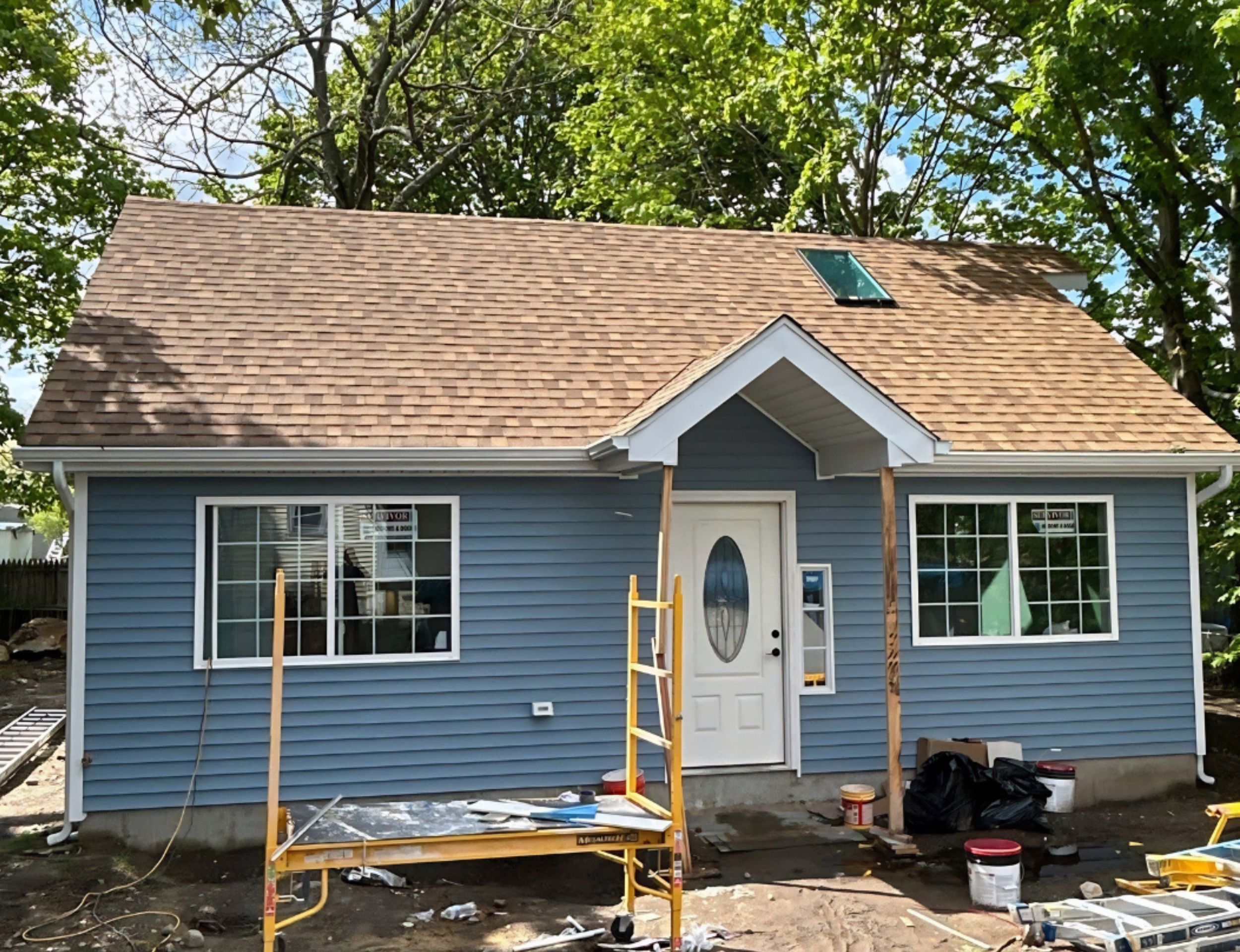
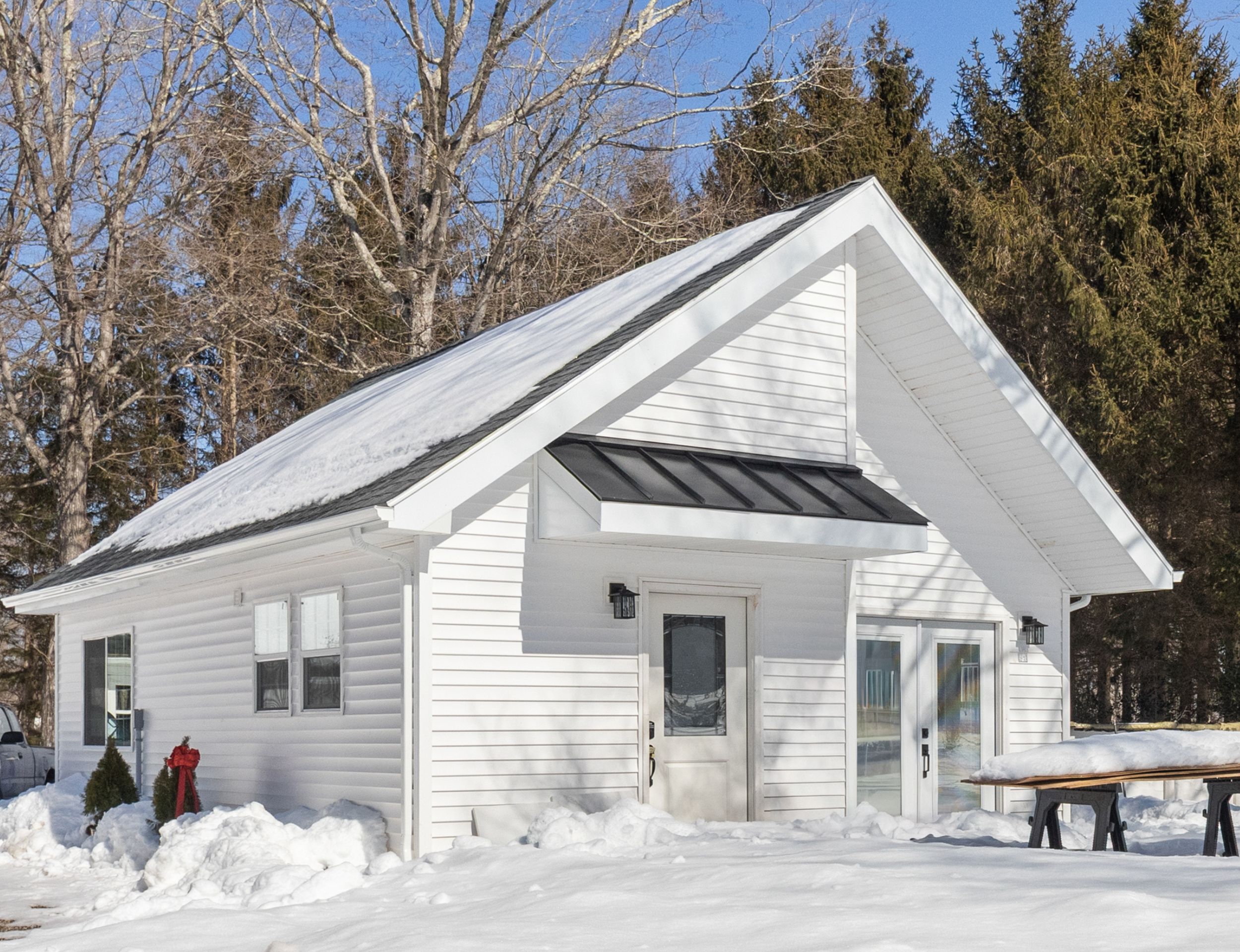
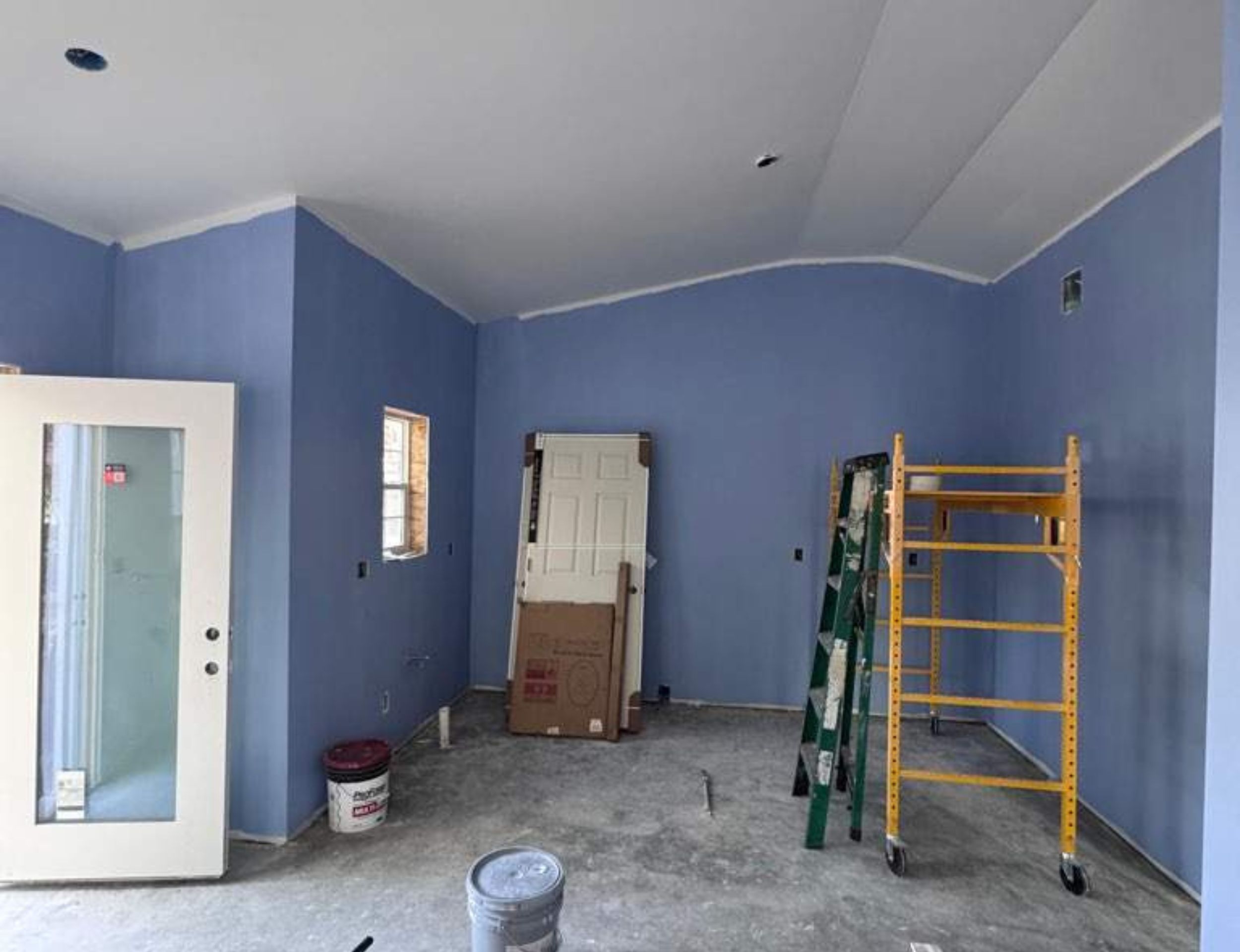
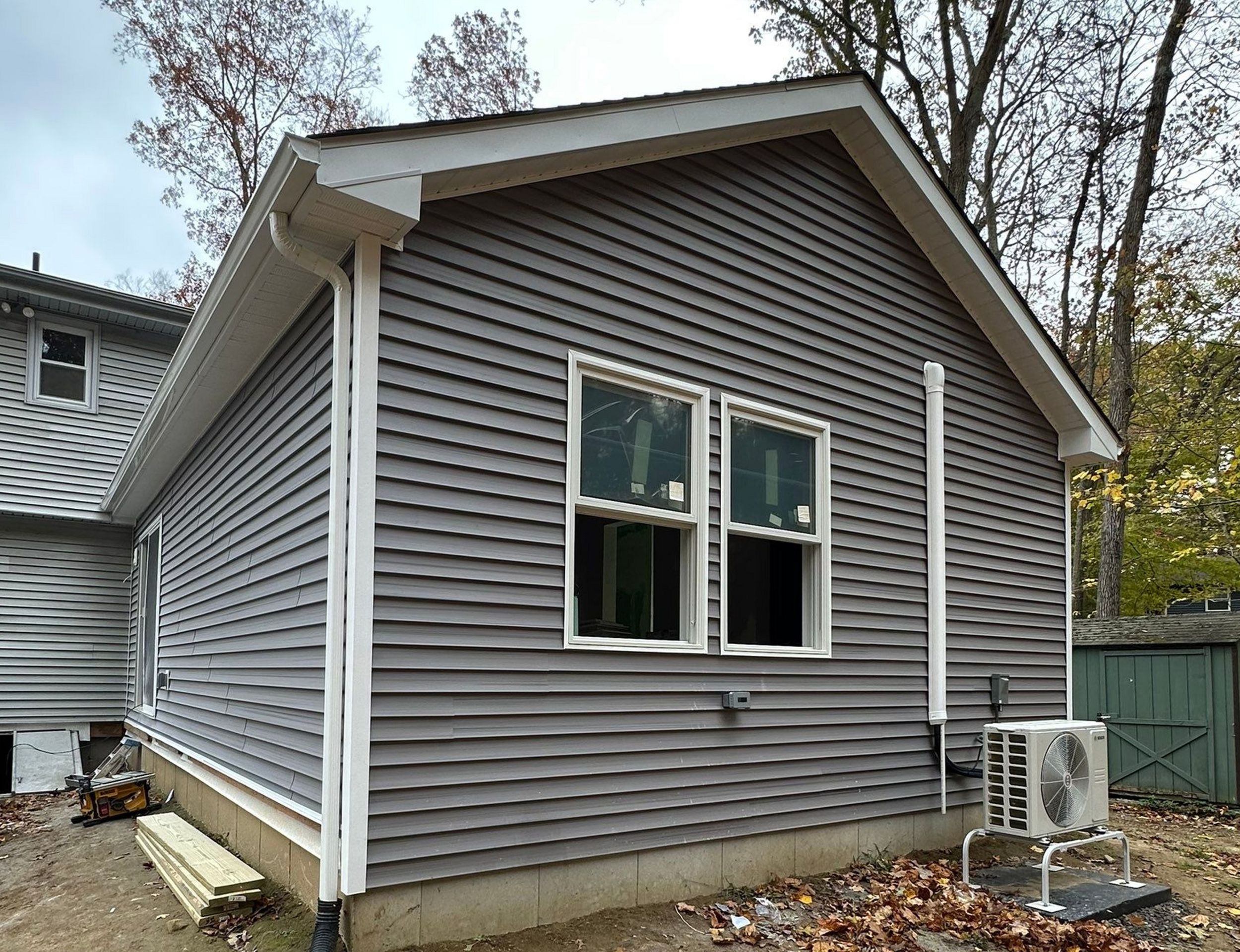
Building an Accessory Dwelling Unit (ADU) can be a rewarding and practical investment for homeowners seeking to expand their living space or generate rental income. However, the success of an ADU project often hinges on the choice of materials used in its construction. From wood-based options to sustainable alternatives, selecting the right materials can impact the durability, aesthetics, and eco-friendliness of the ADU.
Let's explore the best materials for building an ADU, considering factors such as cost, durability, sustainability, and design versatility.
Factors to Consider when Choosing Materials for an ADU
As you continue to do your homework on the ins and outs an ADU, let's talk about the nitty-gritty of building one. Choosing the right materials can make or break your ADU dreams, so here are some factors to keep in mind.
Climate and Location Considerations
Whether you're facing scorching summers or frigid winters, your choice of materials should be able to stand up to the elements. No one wants a leaky, drafty ADU, right?
Budget Constraints and Material Costs
Let's be real, we can't all splurge on top-of-the-line materials. Finding the sweet spot between quality and cost is key. After all, you want your ADU to be a smart investment, not a money pit.
Sustainability and Environmental Impact
In a world that's increasingly eco-conscious, using sustainable materials for your ADU not only benefits the planet but can also save you some green in the long run. Win-win!
Wood-based Materials for ADU Construction
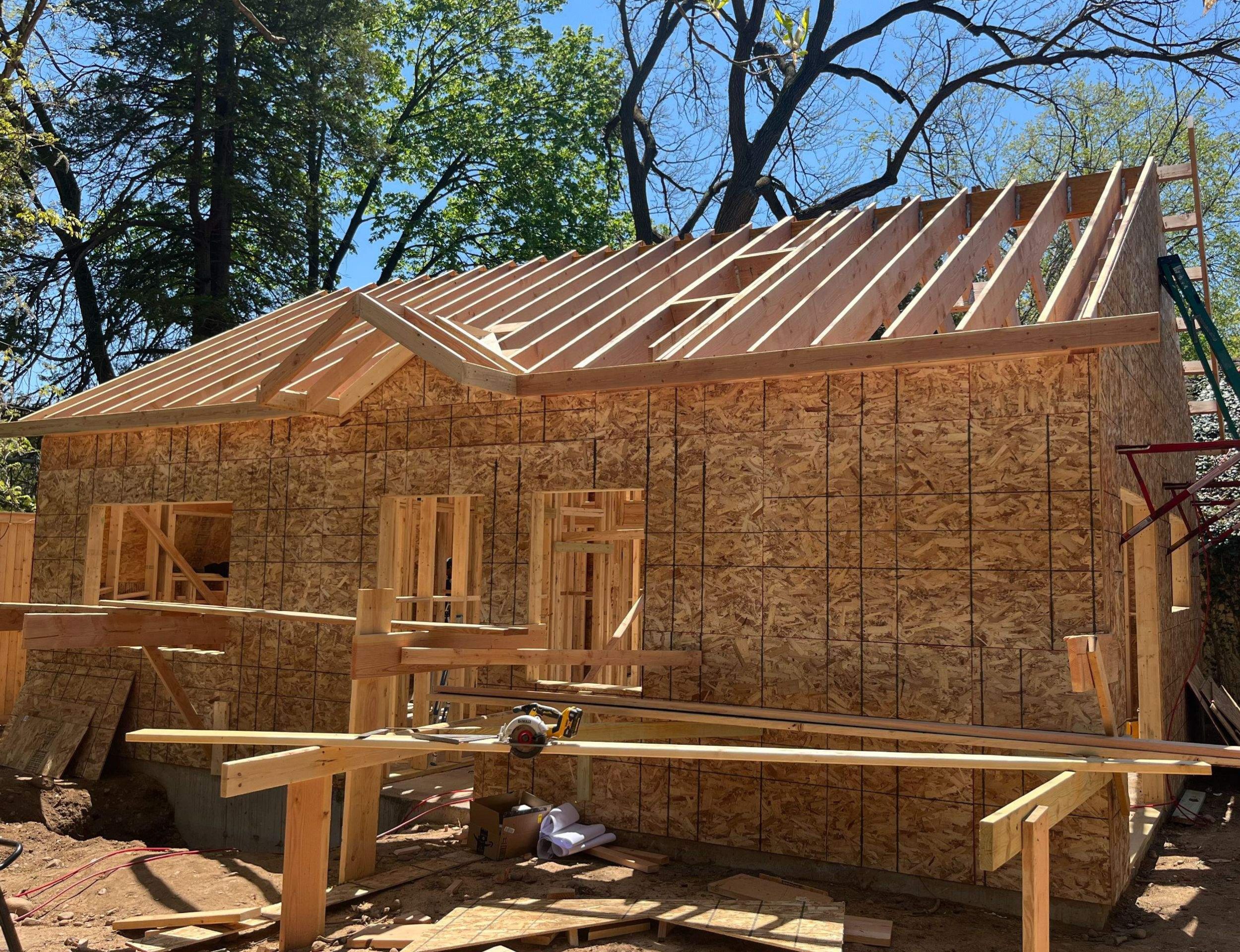
Ah, the classic choice for construction - wood. Versatile, sturdy, and oh-so-charming. Let's dive into why wood might just be the perfect fit for your ADU.
Advantages of Using Wood in ADU Construction
Wood is like the chameleon of construction materials - it can adapt to various styles, is relatively lightweight, and has that natural, warm vibe that makes any space inviting.
Types of Wood Materials Suitable for ADUs
From traditional timber to modern engineered wood products, there's a whole forest of options when it comes to choosing wood materials for your ADU. Get ready to channel your inner lumberjack!

Sustainable and Eco-friendly Material Options
For the environmentally conscious folks out there, fret not - there are plenty of sustainable and eco-friendly materials that can make your ADU a green oasis.
Benefits of Sustainable Materials in ADU Construction
Apart from reducing your carbon footprint, using sustainable materials can improve indoor air quality, lower energy costs, and even boost your overall well-being.
Examples of Eco-friendly Material Choices
Bamboo flooring, recycled composite decking, and reclaimed wood accents are just a few examples of the eco-friendly materials you can incorporate into your ADU. It's like giving Mother Earth a hug while upgrading your living space.
Metal and Steel Materials for ADU Durability
When it comes to durability in ADU construction, metal and steel materials reign supreme. Their strength and resilience make them popular choices for building structures that can stand the test of time.
Strengths of Metal and Steel in ADU Construction
Metal and steel offer exceptional structural integrity, making them ideal for supporting the weight and stresses of an ADU. They are resistant to rot, pests, and fire, offering peace of mind to homeowners.
Considerations for Using Metal in ADU Design
While metal and steel provide durability, they can be prone to corrosion if not properly maintained. Additionally, their initial cost may be higher than other materials, but the long-term benefits often outweigh the upfront investment.
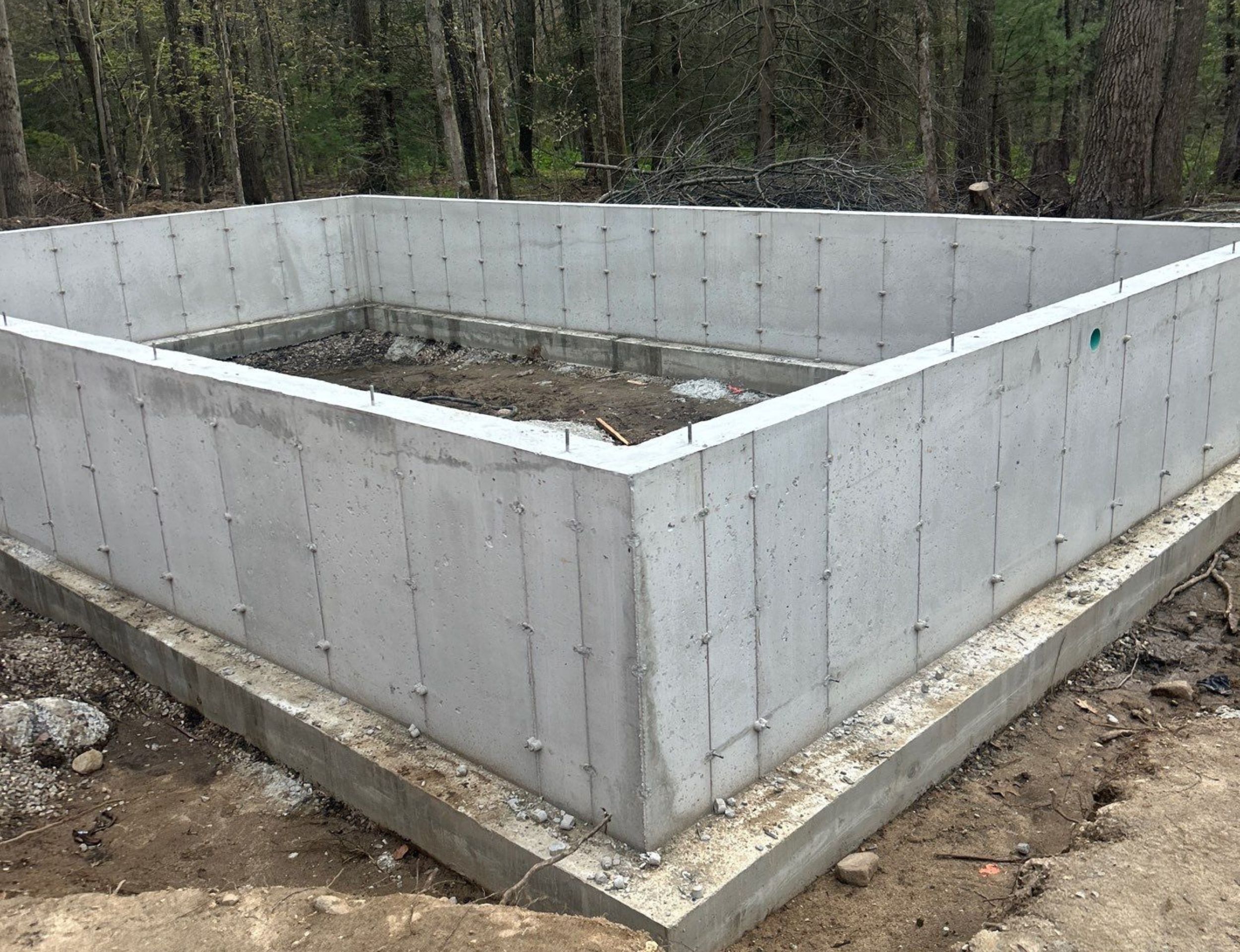
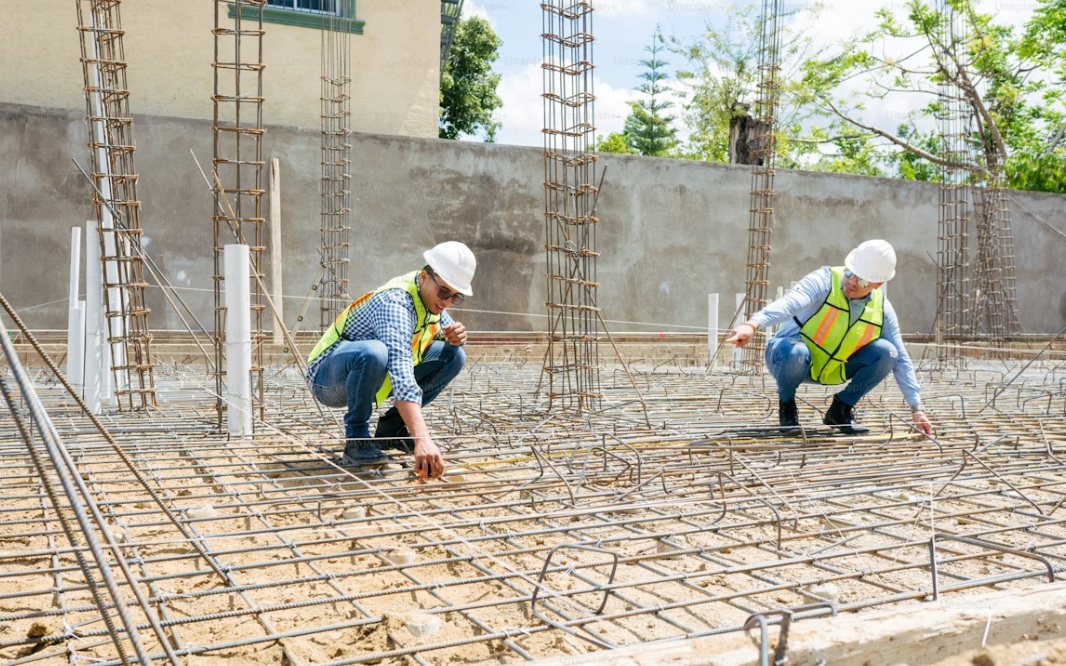
Concrete and Masonry Options for ADU Foundations
A strong foundation is crucial in ADU construction, and concrete and masonry materials are go-to choices for ensuring stability and longevity in your structure.
<h3>Importance of Strong Foundations in ADU Construction</h3>
The foundation is the backbone of any building, and in the case of an ADU, it is essential for supporting the additional structure on your property. Concrete and masonry provide a solid base that can withstand shifting soils and environmental pressures.
<h3>Advantages of Using Concrete and Masonry in ADUs</h3>
Concrete and masonry are known for their durability and resistance to moisture, making them ideal for foundations. They also offer excellent thermal mass properties, helping to regulate interior temperatures and reduce energy costs.

Comparing Costs of Different Materials for ADU Construction
When planning your ADU construction, considering the cost of materials is key to staying within your budget while still achieving quality and durability in your project.
<h3>Cost Analysis of Common ADU Building Materials</h3>
Metal and steel may have a higher initial cost, but their longevity and low maintenance requirements can save money in the long run. Concrete and masonry are typically more affordable upfront and offer excellent durability.
<h3>Factors Affecting Material Costs in ADU Construction</h3>
Material costs can vary based on factors such as availability, labor requirements, and regional pricing. Considering the overall cost-effectiveness and benefits of each material will help you make an informed decision for your ADU project.
Choosing the Best Materials for Your ADU
When selecting materials for your ADU construction, weighing the durability, cost, and maintenance requirements is crucial. Whether you opt for metal, steel, concrete, or masonry, make a choice that aligns with your budget and long-term goals for your ADU. Ultimately, the best material is one that meets your needs and complements the design of your ADU.
In conclusion, the materials chosen for constructing an ADU play a crucial role in determining the overall quality and longevity of the structure. By weighing factors such as budget, environmental impact, and design preferences, homeowners can make informed decisions to create a functional and sustainable ADU that meets their needs. Whether opting for wood, metal, concrete, or eco-friendly materials, the key is to prioritize durability, efficiency, and aesthetic appeal to ensure a successful ADU project.
Frequently Asked Questions
What are the main considerations when choosing materials for building an ADU?
Main considerations include the durability of materials, how they handle local weather conditions, cost efficiency, and environmental impact. Additionally, aesthetic appeal and alignment with existing structures on the property are essential for creating a cohesive look. Material choices should also reflect energy efficiency goals
Are sustainable materials more expensive than traditional options for ADU construction?
Sustainable materials often have a higher upfront cost compared to traditional options, primarily due to specialized sourcing and production methods. However, they can offer cost savings in the long run through energy efficiency, durability, and reduced maintenance.
Can I use a combination of different materials in building my ADU?
Combining different materials can be an effective approach in ADU construction. Using a mix allows flexibility in balancing aesthetics, cost, and functionality—for instance, using wood for warmth indoors and concrete for exterior durability. Careful planning is essential to ensure compatibility and a seamless integration of materials.
How do I ensure that the materials I choose for my ADU are structurally sound and meet building codes?
Consult local building codes and work with a qualified contractor or architect experienced in ADU projects. Structural soundness can be verified through material certifications, and building inspectors will review during different phases of construction. If possible, seek materials with third-party sustainability and durability certifications, such as LEED or FSC.

Copyright 2026. All rights reserved. Norwalk, CT
Connecticut's New Home Construction Contractor License: #NHC.0017654
EPA Lead-Safe Certified NAT-F269966-1