


















Knowledge Center: Your Go-To Resource for ADUs and Tiny Living
Knowledge Center: Your Go-To Resource for ADUs and Tiny Living
Email [email protected]
Phone 860-TINY-HOM (es)
Can I put a tiny home in my backyard?
With the rising popularity of tiny homes as a sustainable and affordable housing option, many homeowners are exploring the idea of placing a tiny home in their backyard. However, adding a tiny home to a residential property involves a variety of considerations, including zoning regulations, building codes, community relations, and financial implications.
This guide provides a comprehensive overview of what you need to know to navigate permits, utilities, environmental impact, and other factors, helping you make informed decisions about incorporating a tiny home into your property.
Overview of Tiny Homes
Tiny homes are compact living spaces that have gained popularity in recent years. Typically ranging from 100 to 400 square feet, they are designed to maximize functionality within a small footprint.
What is a Tiny Home?
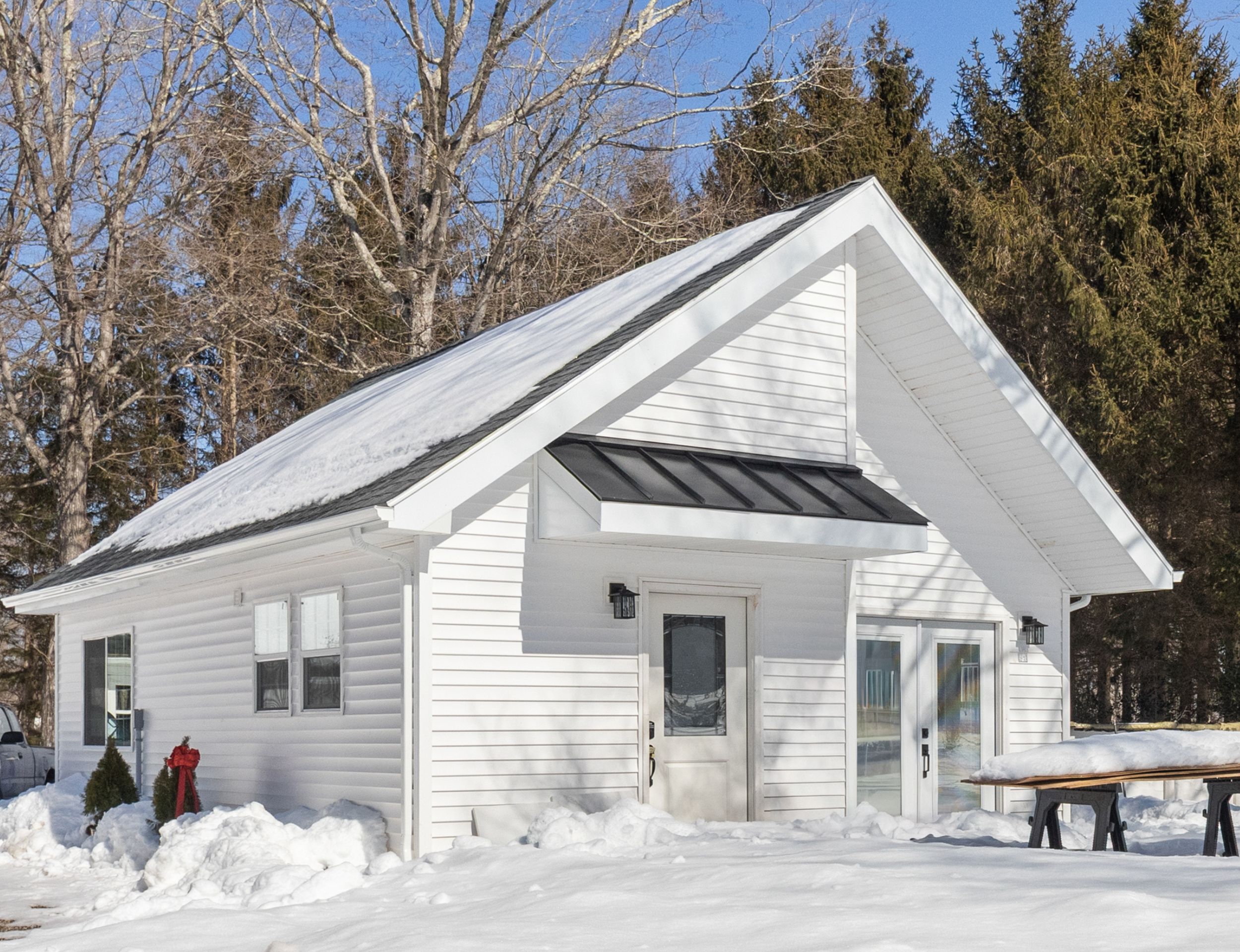
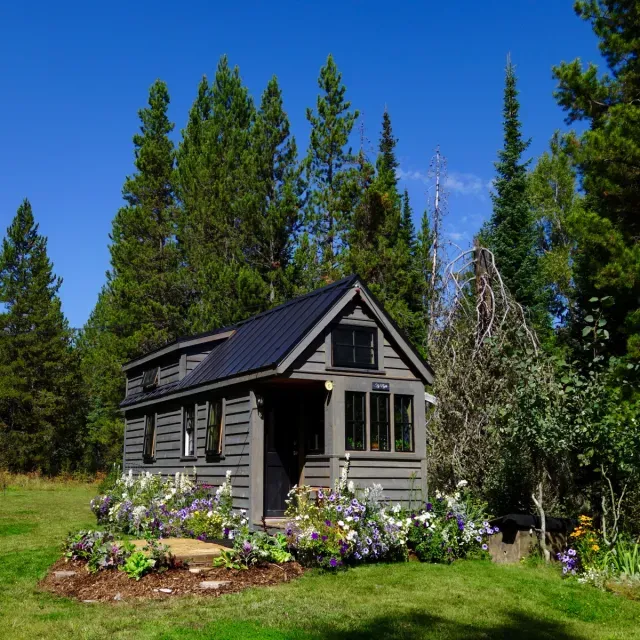
A tiny home is exactly what it sounds like—a small, fully functional dwelling. They can be stationary or built on wheels for mobility. Clever space-saving designs often include multifunctional furniture and efficient layouts that make living small both practical and comfortable.
Benefits of Tiny Home Living
Living in a tiny home offers several advantages:
Affordability: Lower construction and maintenance costs compared to traditional homes.
Minimalism: Encourages a simpler lifestyle with less clutter.
Eco-friendliness: Smaller homes consume fewer resources and often incorporate sustainable features.
Zoning and Building Codes
Before placing a tiny home in your backyard, it’s crucial to understand local rules and regulations. These requirements vary widely depending on location.
Understanding Local Zoning Regulations
Zoning laws dictate what types of structures are permitted in different areas. Some municipalities allow tiny homes as accessory dwelling units (ADUs) in residential backyards, while others may impose restrictions on size, use, or mobility.
Compliance with Building Codes
Building codes ensure that homes are safe and structurally sound. Tiny homes must meet these standards to be legally recognized, covering aspects like electrical systems, plumbing, fire safety, and structural integrity.
Permits and Regulations
Obtaining the correct permits is essential to avoid legal issues and ensure a smooth installation process.
Navigating Permit Requirements
Permits grant approval to build or place a tiny home. Requirements may include building permits, electrical and plumbing permits, and, for mobile homes, RV or temporary dwelling certifications. Always consult your local planning department for specific regulations.
Regulatory Considerations for Tiny Homes
Regulations may cover sewer connections, electrical hookups, and other utility considerations. Compliance is critical to avoid fines and ensure your tiny home meets safety standards.

Considerations for Placement
Selecting the right location in your backyard is crucial for convenience, safety, and long-term satisfaction.
Choosing the Right Spot
Consider access to utilities, sunlight exposure, privacy, and proximity to neighbors when choosing your tiny home’s location.
Site Preparation and Foundation Options
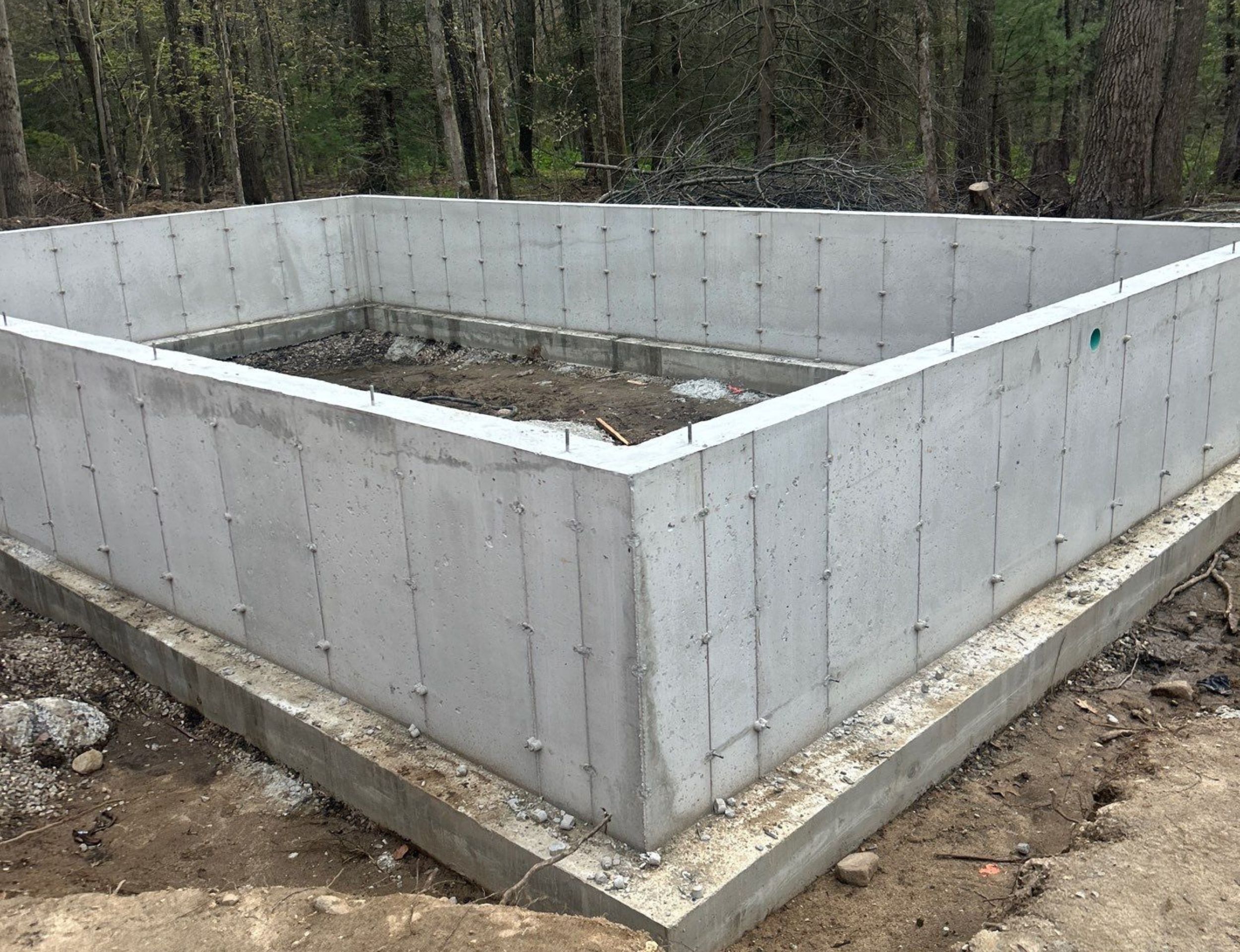
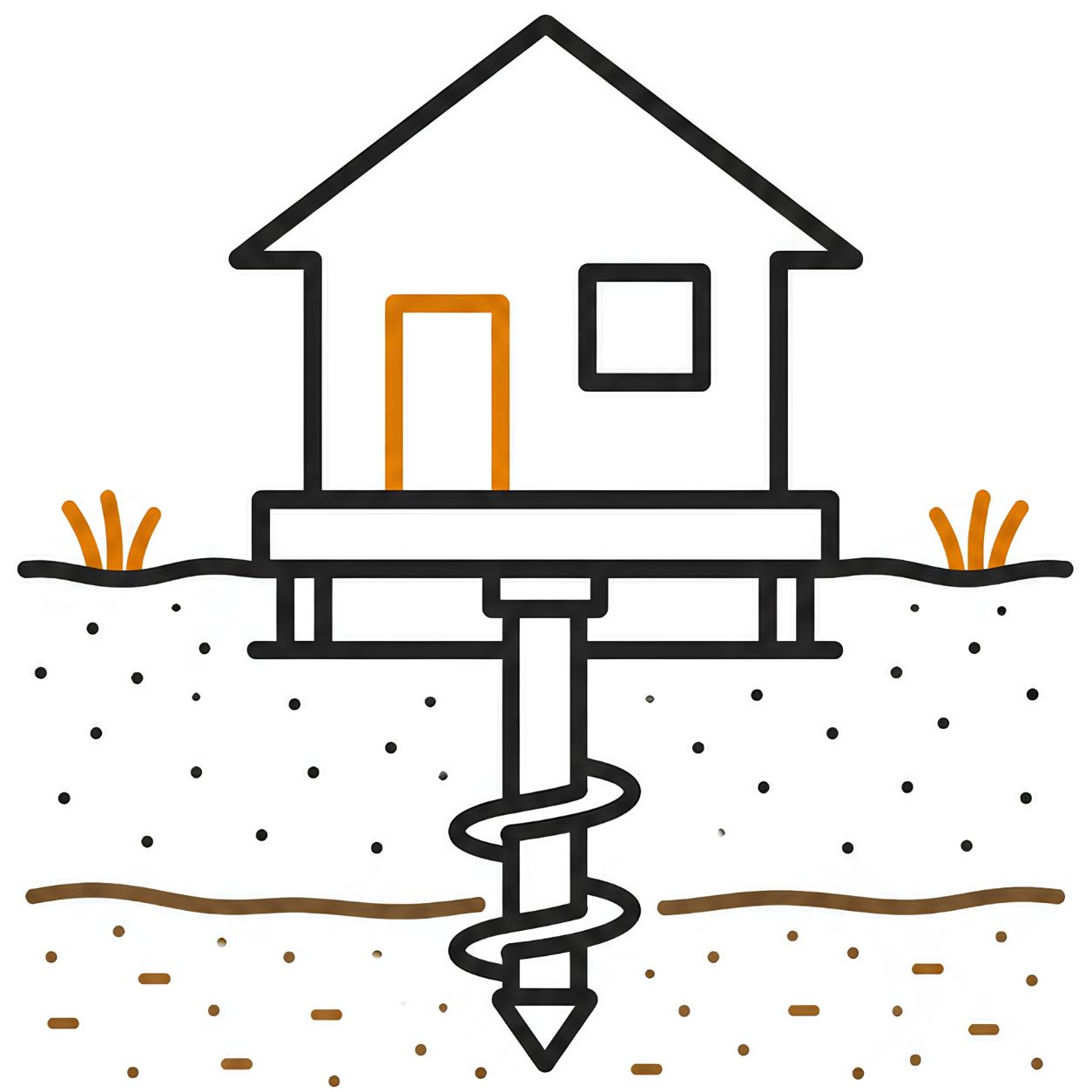
Tiny homes require a stable foundation. Options include gravel pads, concrete slabs, or piers. A proper foundation ensures structural stability and long-term durability.
Utilities and Infrastructure
Connecting to Utilities
Tiny homes can typically connect to traditional utilities such as water, electricity, and sewage. Always verify that connections comply with local codes.
Off-Grid and Sustainable Options
For those seeking self-sufficiency, off-grid solutions like solar panels, composting toilets, and rainwater harvesting provide sustainable alternatives for essential utilities.
Environmental Impact and Sustainability
Green Building Practices
Using eco-friendly materials and energy-efficient designs can reduce a tiny home’s environmental footprint.
Waste and Water Management
Implementing recycling, composting, and water-saving fixtures helps minimize waste and conserve resources in a compact living environment.
Community and Neighbor Relations
Engaging with Neighbors and HOAs
Open communication with neighbors and homeowners associations (HOAs) can help address concerns and foster positive relationships.
Maintaining Positive Relationships
Respect privacy, adhere to property boundaries, and maintain your tiny home’s appearance to ensure a harmonious coexistence within the community.
Financial Considerations
Cost Factors
Costs may include permits, site preparation, utility connections, and construction materials. Planning and budgeting carefully can prevent unexpected expenses.
Maintenance and Upkeep
Allocate funds for ongoing maintenance, repairs, and potential upgrades to keep your tiny home functional and enjoyable for years to come.
Conclusion
Placing a tiny home in your backyard can be a rewarding choice for additional living space, downsizing, or embracing a sustainable lifestyle. However, careful planning is essential. By understanding zoning regulations, permits, utility requirements, and community dynamics, you can successfully integrate a tiny home into your property while staying compliant and minimizing potential challenges.
FAQ
Can I legally place a tiny home in my backyard?
Legality depends on local zoning and building regulations. Some areas allow tiny homes as ADUs, while others restrict them. Always consult your local planning department for confirmation.
What are the main zoning and building code considerations?
Key factors include zoning designation, minimum lot size, setbacks, utility connections, fire safety, and compliance with building codes. Rules may vary for mobile versus stationary tiny homes.
Do I need special permits?
Yes. Typically, you’ll need building and zoning permits, and possibly permits for plumbing, electrical work, or temporary/mobile dwellings.
How can I address concerns from neighbors or HOAs?
Communicate openly, explain your plans, and ensure your tiny home complies with HOA rules. Address concerns about aesthetics, parking, and noise to foster positive relationships.

Copyright 2026. All rights reserved. Norwalk, CT
Connecticut's New Home Construction Contractor License: #NHC.0017654
EPA Lead-Safe Certified NAT-F269966-1