
















Knowledge Center: Your Go-To Resource for ADUs and Tiny Living
Knowledge Center: Your Go-To Resource for ADUs and Tiny Living
Email [email protected]
Phone 860-TINY-HOM (es)

What’s the difference between modular homes and tiny homes?
Modular homes and tiny homes are increasingly popular alternatives to traditional housing, offering unique living experiences that cater to diverse lifestyles. While both provide innovative solutions to modern housing needs, they differ significantly in design, size, mobility, and functionality. Understanding these differences is crucial for anyone exploring alternative living arrangements.
In this article, we’ll break down the distinctions between modular and tiny homes, covering design and construction, size, mobility, costs, customization, sustainability, and market trends.
Introduction to Modular and Tiny Homes
Both modular and tiny homes offer innovative housing solutions, but they cater to different preferences and lifestyles.
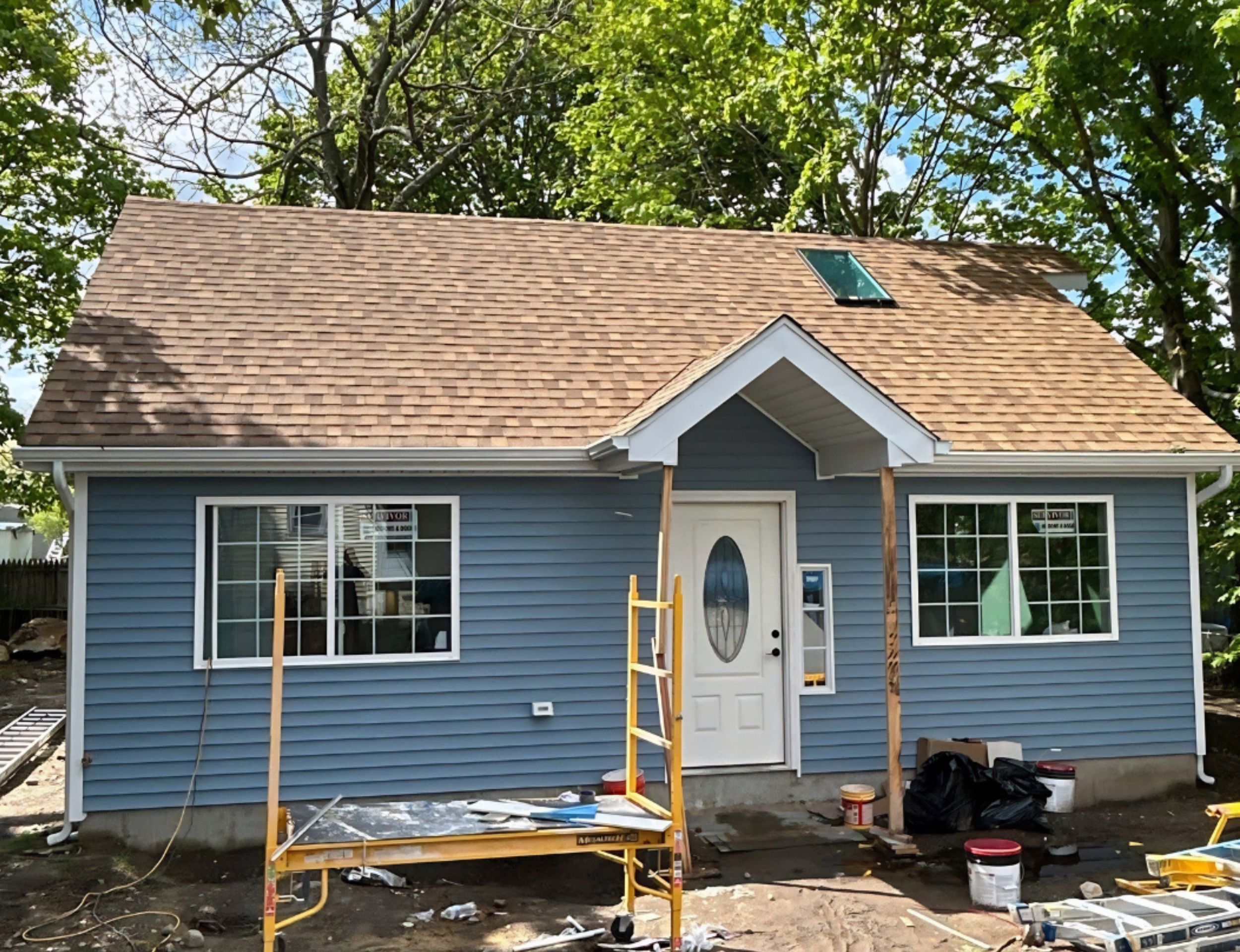
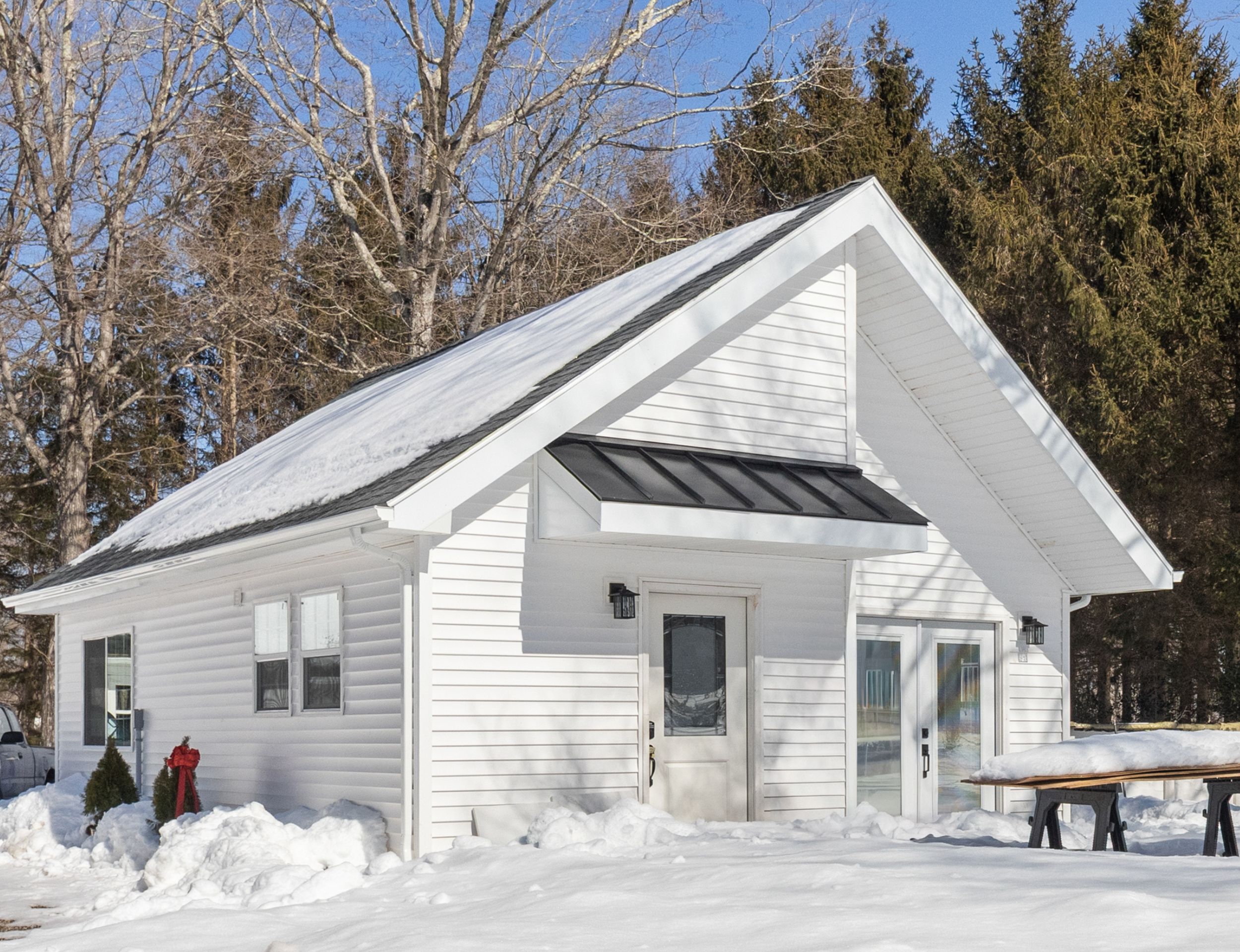
Modular Homes are prefabricated structures built in sections (or modules) off-site, then transported and assembled at the desired location. Constructed to meet local building codes, modular homes provide a faster and more efficient alternative to traditional stick-built homes.
Tiny Homes, on the other hand, are compact dwellings emphasizing minimalism and simplicity. Typically ranging from 100 to 400 square feet, tiny homes maximize space through smart layouts and creative storage solutions.

Design and Construction Differences
Building Materials and Techniques
Modular Homes: Use conventional, durable materials such as wood, steel, and concrete.
Tiny Homes: Often incorporate lightweight, eco-friendly materials like reclaimed wood or recycled composites.
Architectural Styles and Aesthetics
Modular Homes: Offer a wide range of styles and customizable features, resembling traditional homes with modern amenities.
Tiny Homes: Focus on creative, functional designs, emphasizing coziness and personality.
Size and Space
Square Footage
Modular Homes: Typically range from 1,000 to 2,500+ square feet, ideal for families.
Tiny Homes: Range from 100 to 400 square feet, perfect for minimalists or single occupants.
Layout and Interior Design
Modular Homes: Follow conventional floor plans with separate rooms.
Tiny Homes: Feature multifunctional, open layouts that optimize every inch of space.

Mobility and Location Flexibility
Portability
Tiny Homes: Built on wheels or trailers, allowing easy relocation.
Modular Homes: Can be moved but require disassembly and professional transport.
Zoning and Regulations
Tiny Homes: May face zoning restrictions, especially if mobile.
Modular Homes: Typically comply with standard building codes, simplifying legal placement.
Costs, Customization, Sustainability, and Resale Value
Construction and Maintenance
Costs: Modular homes offer predictable pricing; tiny homes vary based on materials and features.
Maintenance: Modular homes generally require less upkeep; tiny homes may need more frequent care.
Customization
Modular Homes: Broad range of floor plans and finishes.
Tiny Homes: Customizable but limited by compact size.
Environmental Impact
Modular Homes: Factory construction reduces waste.
Tiny Homes: Small footprint minimizes environmental impact.
Energy Efficiency
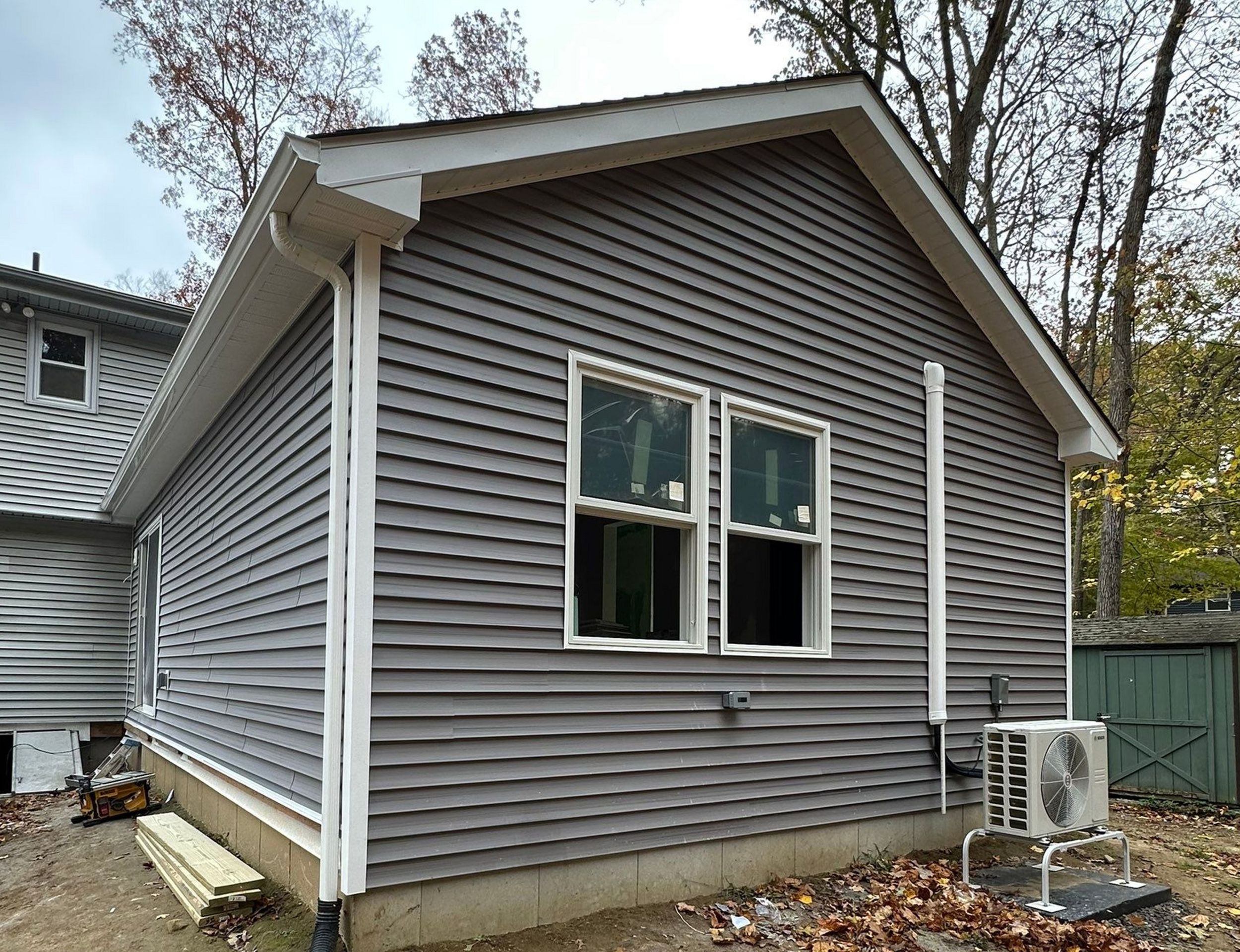
Both options can include solar panels, energy-efficient appliances, and sustainable fixtures.
Resale Value
Modular homes hold value well; tiny homes have a niche market with varying resale potential.
Conclusion
Choosing between a modular home and a tiny home depends on personal priorities, lifestyle, and budget. Modular homes provide more space, conventional layouts, and resale stability, while tiny homes offer portability, minimalism, and a unique personalized living experience. Understanding the differences helps homeowners make informed decisions in today’s evolving housing market.
FAQ
Can modular homes be customized?
Yes, modular homes offer a wide range of customizable floor plans, finishes, and energy-efficient features.
Are tiny homes more cost-effective?
Tiny homes have lower upfront and maintenance costs, but modular homes offer durability and higher resale value.
Do tiny homes require special zoning considerations?
Yes, tiny homes may face restrictions depending on local regulations, especially if built on wheels.
What sustainability features are common?
Both options often feature solar panels, energy-efficient insulation, water-saving fixtures, and eco-friendly building materials.

Copyright 2026. All rights reserved. Norwalk, CT
Connecticut's New Home Construction Contractor License: #NHC.0017654
EPA Lead-Safe Certified NAT-F269966-1