


















Knowledge Center: Your Go-To Resource for ADUs and Tiny Living
Knowledge Center: Your Go-To Resource for ADUs and Tiny Living
Email [email protected]
Phone 860-TINY-HOM (es)

How are ADUs reshaping family dynamics and living arrangements?
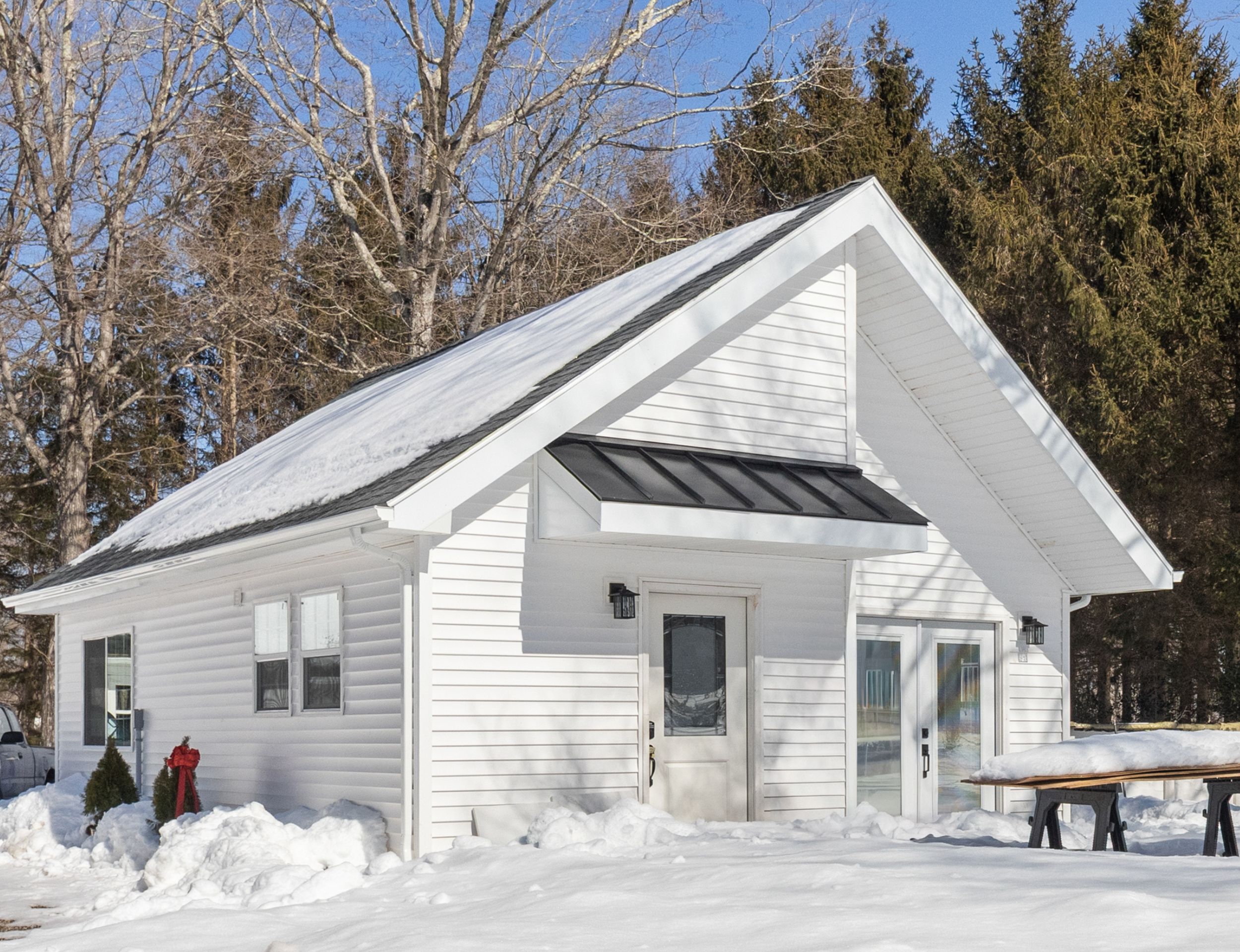
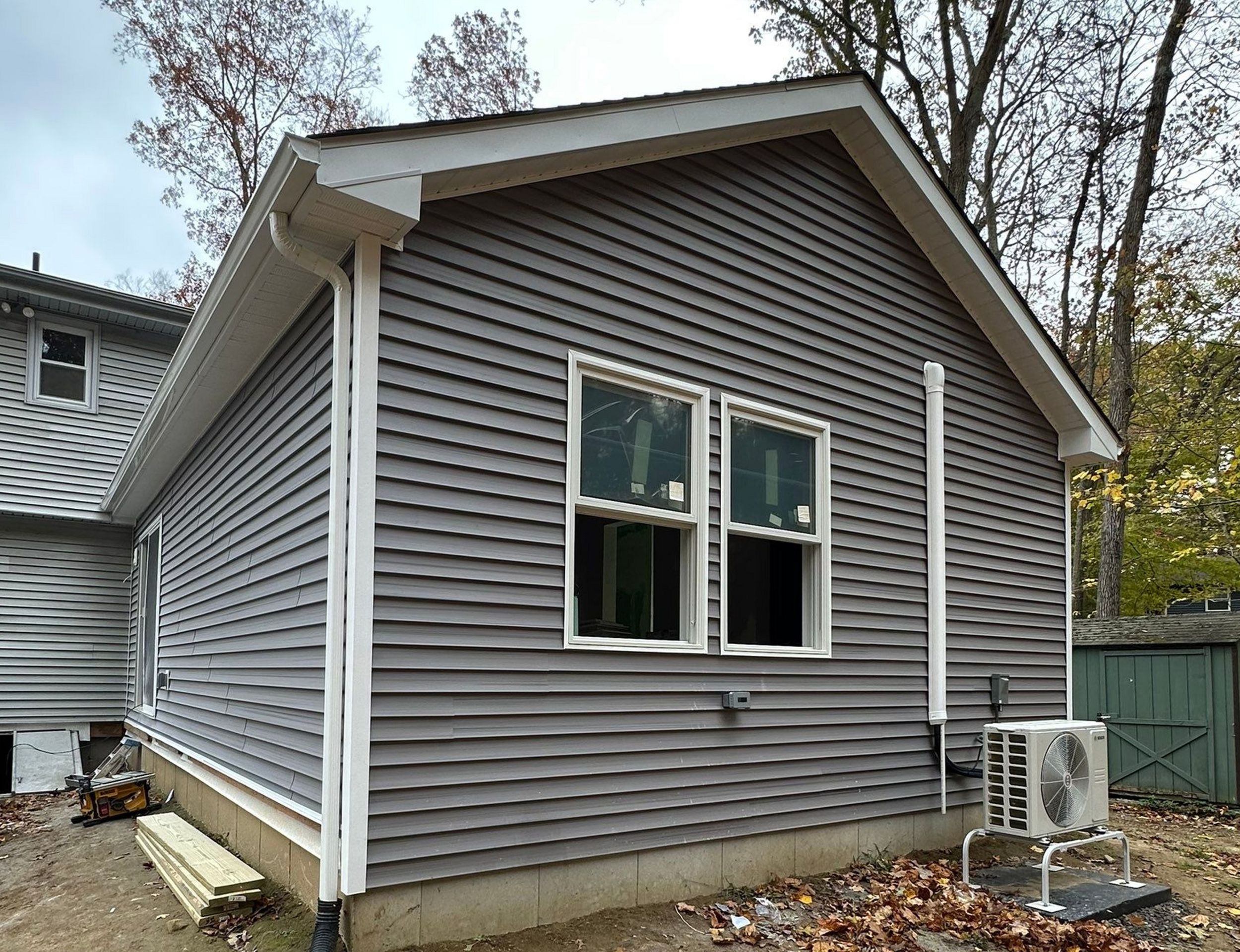
The concept of Accessory Dwelling Units (ADUs) has quickly become a major topic in housing and urban planning. These compact, versatile living spaces offer flexible solutions for families seeking affordability, additional space, or new living arrangements.
As demand increases for adaptable housing, it’s important to understand how ADUs influence family relationships, support systems, and the way households evolve. This article explores how ADUs are transforming family living—from enabling multigenerational homes to supporting aging parents and accommodating modern lifestyle needs.
The Rise of ADUs in Housing Trends
A Brief History
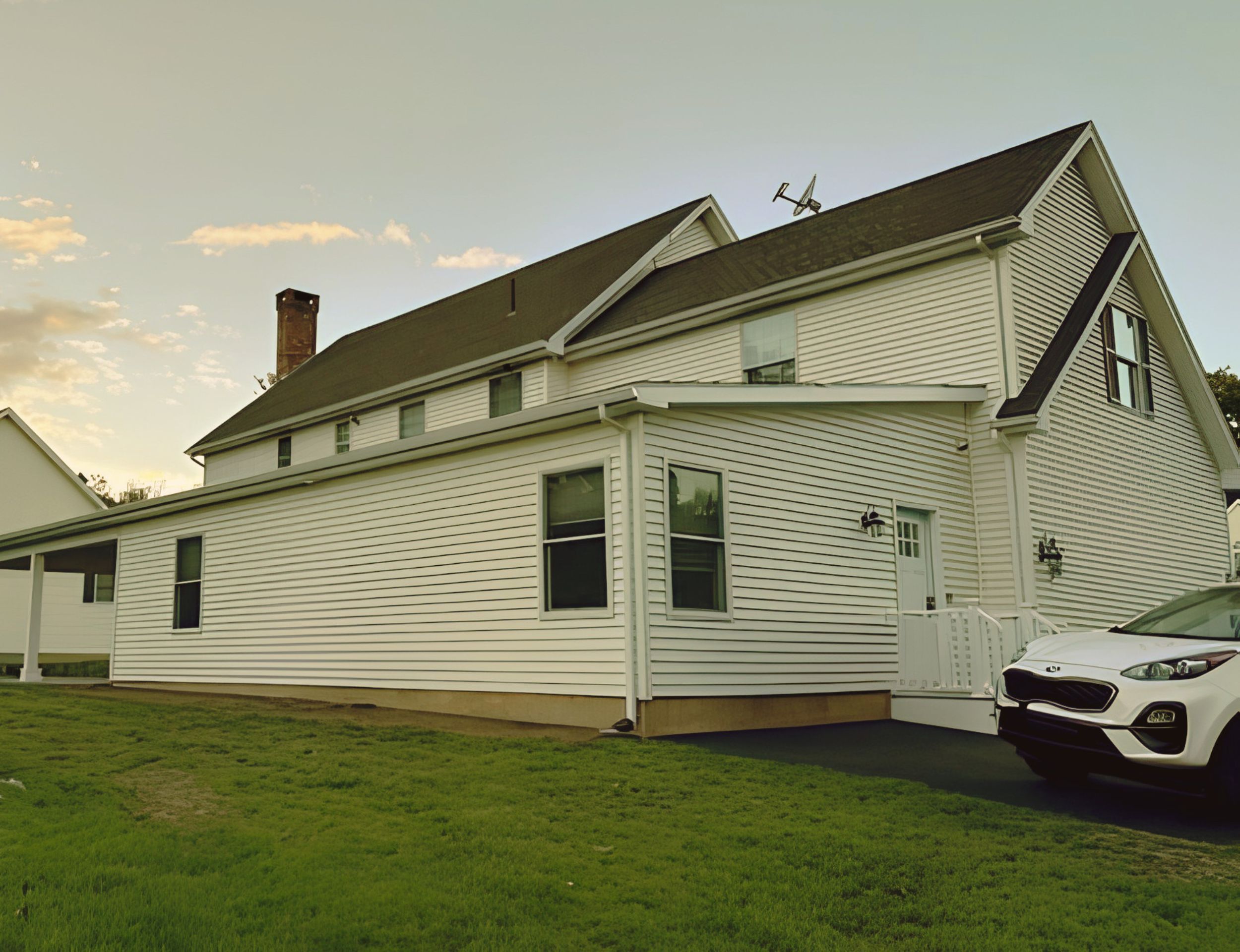
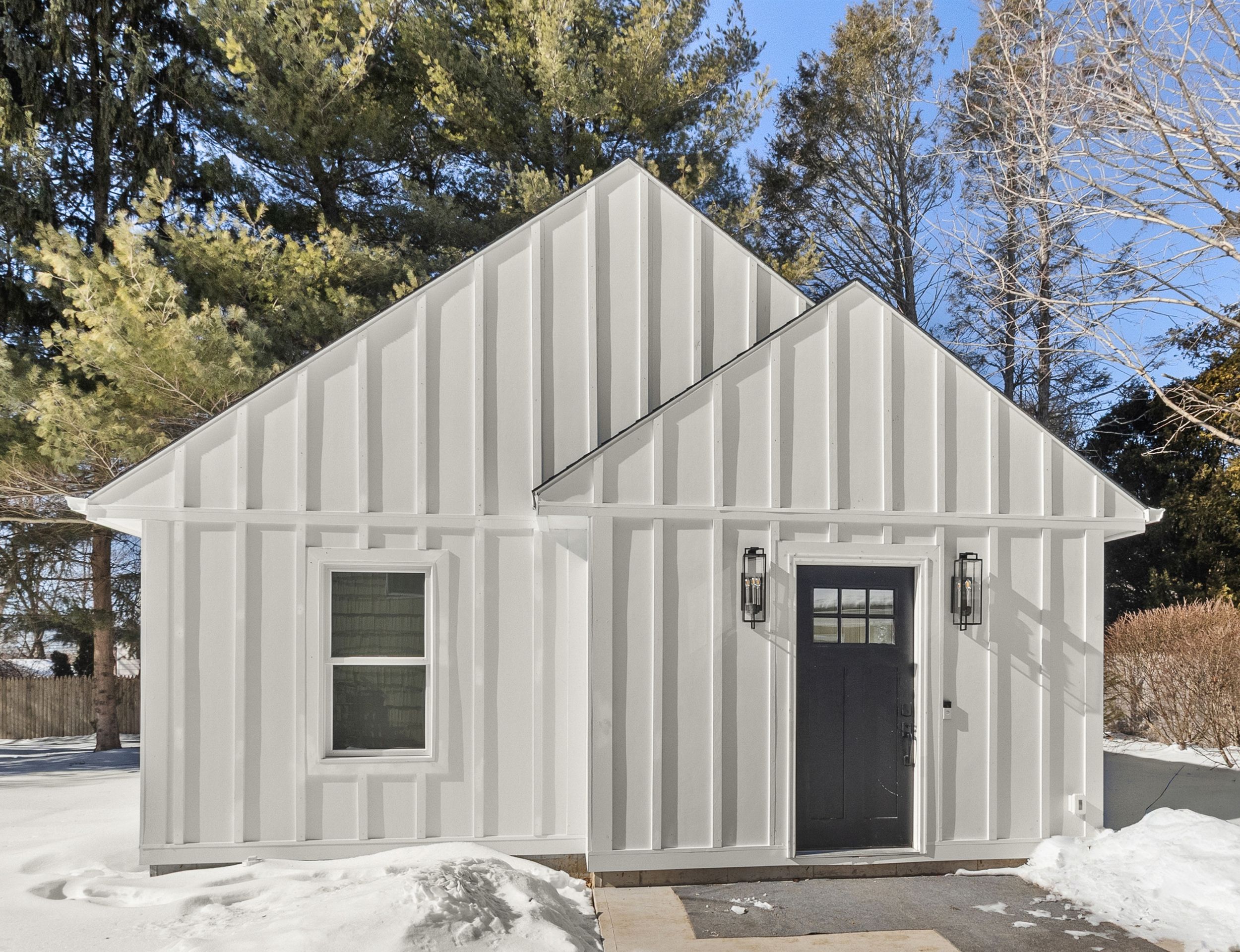
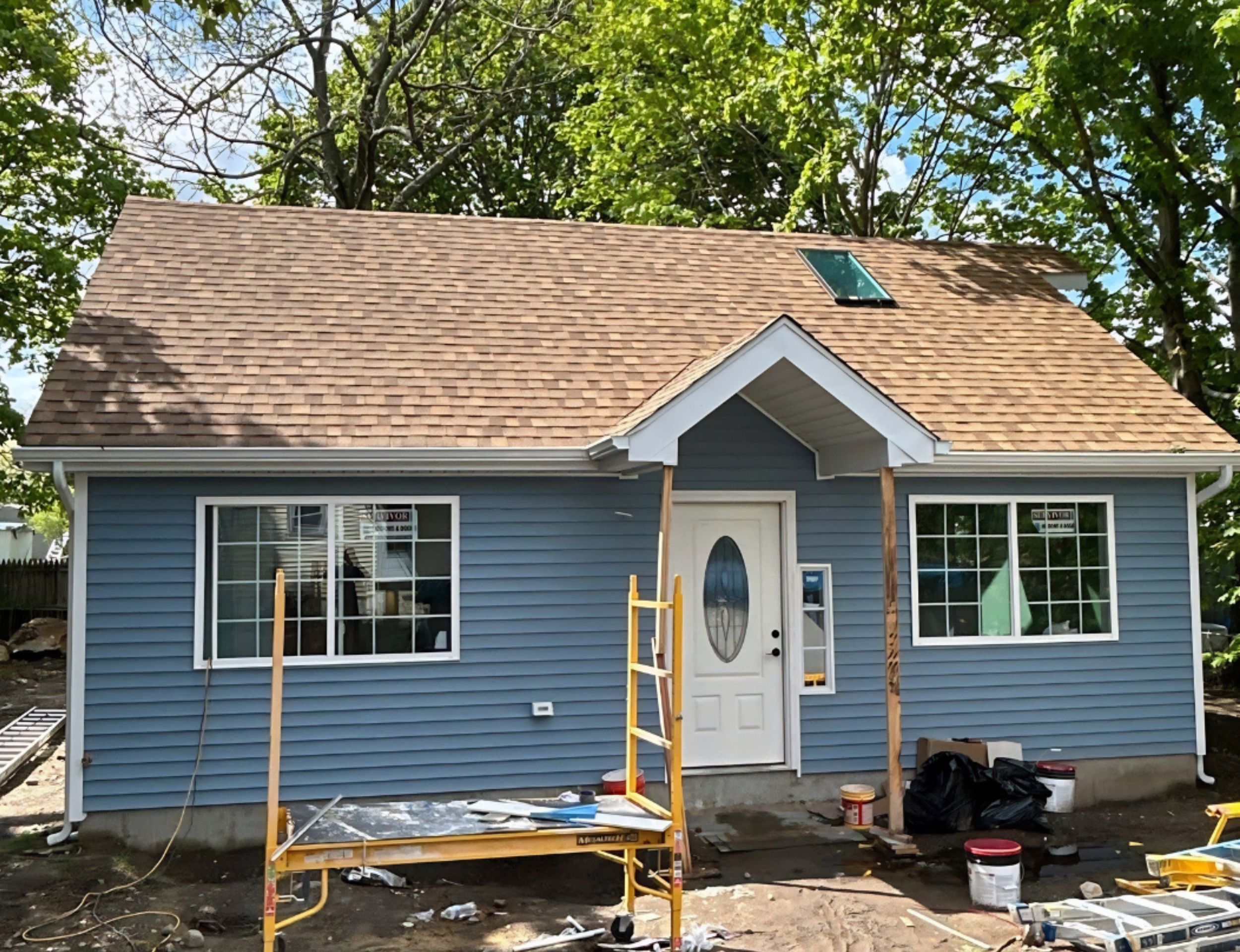
ADUs aren’t new. They’ve existed for decades, often known as in-law suites, backyard cottages, or garage apartments. What is new is their resurgence. As housing shortages grow and family needs shift, ADUs have become a modern solution with a historic foundation—like a vintage idea updated for today’s world.
Growing Legislative Support
To encourage affordable and flexible housing, many cities and states have streamlined the approval process for ADUs. Relaxed zoning rules, reduced minimum lot sizes, and simplified design standards have made it easier than ever for homeowners to add an accessory dwelling to their property.
ADUs and Multigenerational Living
The Benefits
ADUs create the perfect balance for families living together but seeking independence. They allow adult children, grandparents, and extended relatives to stay close—without sacrificing privacy.
Challenges to Consider
While multigenerational living strengthens family bonds, it can also present challenges. Families should plan for shared responsibilities, boundaries, communication styles, and lifestyle differences to maintain harmony.
Impact of ADUs on Family Dynamics
Enhanced Privacy & Personal Space
One of the most appreciated benefits of ADUs is separation. Homeowners get their space, and ADU residents get theirs—creating peaceful coexistence and better quality of life.
Stronger Connections
Despite the separation, ADUs often strengthen family ties. The proximity makes quick visits, shared meals, and daily support easier, helping families stay connected without feeling overcrowded.
ADUs as a Solution for Aging Parents
Practical Care and Support
For families caring for elderly relatives, ADUs offer an ideal setup. Parents can maintain independence while receiving help when needed—reducing stress and improving their well-being.
Aging in Place
ADUs enable seniors to age comfortably within familiar surroundings. With their own secure and accessible space, older adults maintain dignity while staying close to loved ones.

ADUs and Evolving Living Arrangements
Flexibility for Changing Needs
Whether it’s college graduates returning home, guest space for visiting family, or a quiet home office, ADUs effortlessly adapt to life’s transitions.
Supporting Sustainable Living
By making use of existing property space rather than expanding outward, ADUs promote sustainability. They reduce environmental impact, optimize land use, and support compact, efficient living.
Financial Benefits for Families
Rental Income Potential
Renting out an ADU can offset mortgage payments, cover property taxes, or serve as supplemental income—making homeownership more affordable.
Boosting Property Value
Homes with ADUs often appeal more to buyers because of added versatility and income potential. This can significantly increase long-term property value.
Conclusion: The Future of ADUs in Family Living
The future of ADUs looks bright. Expect more innovative designs, eco-friendly materials, and smart-home integrations. As families continue to seek adaptable living spaces, ADUs will play a growing role in shaping modern housing.
From supporting multigenerational households to offering financial advantages and sustainable solutions, ADUs are redefining how families live, connect, and plan for the future.
FAQ
How do ADUs impact property values?
ADUs can increase property value by adding usable living space and rental income potential. While most buyers view ADUs as a positive feature, the impact depends on local market demand and zoning regulations.
How do ADUs affect zoning rules and neighborhood characteristics?
Zoning regulations vary widely by location. Some areas encourage ADU development, while others impose restrictions on size, placement, parking, or occupancy. Homeowners should always check local requirements before building.
What are the typical costs of building an ADU?
Costs depend on size, design, materials, labor, permits, and site conditions. Homeowners should budget for construction, utility hookups, architectural plans, and municipal fees.

Copyright 2026. All rights reserved. Norwalk, CT
Connecticut's New Home Construction Contractor License: #NHC.0017654
EPA Lead-Safe Certified NAT-F269966-1