



















Knowledge Center: Your Go-To Resource for ADUs and Tiny Living
Knowledge Center: Your Go-To Resource for ADUs and Tiny Living
Email [email protected]
Phone 860-TINY-HOM (es)
What Does ADU Stand For? Quick Answer + Guide
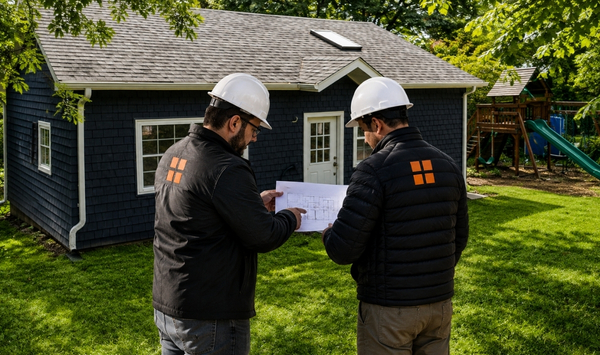
ADU stands for Accessory Dwelling Unit, a smaller, independent living space located on the same lot as a primary home. If you are wondering what does ADU stand for in a housing conversation, listing, or building plan, the acronym always refers to an Accessory Dwelling Unit.
An ADU provides separate living space while remaining secondary to the main residence on the property.
Breaking Down the Acronym
Understanding each part of the term makes it easier to understand what does ADU mean in practical terms.
Accessory means the dwelling is secondary to the primary home. It does not replace the main residence. Instead, it provides additional residential space on the same property.
Dwelling means the space is intended for people to live in. It is not simply a storage shed, workshop, detached office, or other nonresidential accessory structure.
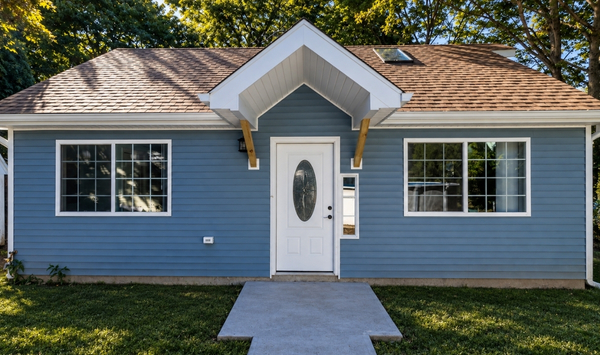
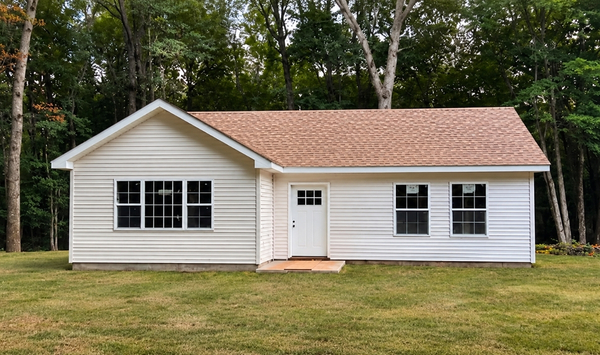
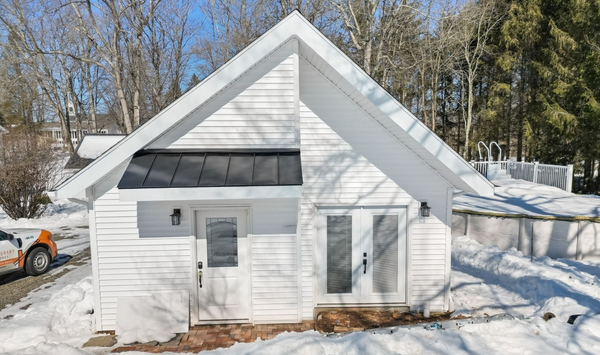
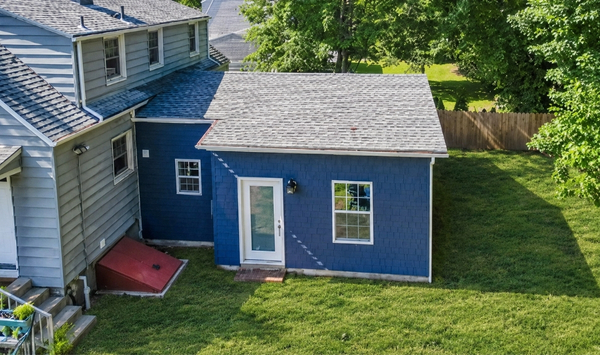
Unit means the living space is self-contained. An ADU generally has its own sleeping area, bathroom, kitchen, and independent living facilities. It may be attached to the primary home, located within it, or built as a detached structure on the same lot.
HUD USER describes ADUs as additional independent living quarters on single-family lots and notes that they generally include their own sleeping space, bathroom, and kitchen. They may be internal, attached, or detached from the primary residence.
Other Names You'll See for the Same Thing
Homeowners may hear several different terms used for an ADU:
Granny flat
In-law suite
Carriage house
Backyard cottage
Secondary suite
These names describe the same underlying concept: an additional living space that is secondary to the primary home. The terminology often changes by region, generation, or architectural style.
So, if you already understand what ADU stands for, these other names should feel familiar. They generally refer to a smaller residential space created on the same property as the primary dwelling.
The important distinction is not what the homeowner chooses to call it. The important question is whether the space meets the legal and building requirements for an Accessory Dwelling Unit where the property is located.
Does the Definition Change by State?
The basic definition does not change. Accessory Dwelling Unit is always what does ADU stand for in housing.
What can change from one state or municipality to another are the rules governing how an ADU may be created and used. These may include maximum size, location on the property, setbacks, permitting, parking, occupancy requirements, and whether the ADU can be attached, detached, or located within the primary residence.
Connecticut law specifically addresses accessory apartments and establishes parameters for local zoning regulations. Connecticut municipalities still play an important role in applying zoning, permitting, and property-specific requirements, which is why homeowners should confirm the rules that apply to their own address before planning construction.
In other words, the meaning of ADU stays the same, but the details of what you can build may differ depending on where your property is located.
Want the Full Picture?
If you are looking for more than the quick definition, the next step is to learn how different ADU types work and how an ADU may affect the property.
Read Exactly What Is an ADU Home? for a deeper explanation of the main ADU types, how they function, and what homeowners should consider when planning one.
For the property and real-estate perspective, read What Is an ADU in Real Estate? to understand how an ADU can relate to usable living space, rental potential, and property value.
Those resources provide the deeper information without repeating it here.
Talk to an ADU Expert
Frequently Asked Questions
Is ADU the same as a granny flat?
Yes. A granny flat is another common name for an Accessory Dwelling Unit. The terminology may vary, but both describe a secondary living space associated with a primary residence.
What does ADU stand for in real estate listings?
ADU still stands for Accessory Dwelling Unit. In a real estate listing, the term generally signals that the property includes additional livable space beyond the primary residence. Depending on the unit's legal status and local rules, that space may also have rental potential.
Is a JADU the same as an ADU?
No. A JADU, or Junior Accessory Dwelling Unit, is a smaller and more restricted subtype. It is typically limited to around 500 square feet and is generally created within the existing walls of the primary home.
A standard ADU may offer more flexibility in size, placement, and configuration depending on local requirements.
Contact Contemporary Tiny Homes
Now that you know what an ADU stands for, the next question is whether an Accessory Dwelling Unit may work on your Connecticut property.
Contemporary Tiny Homes can help you discuss the type of ADU you are considering, how you want to use the space, and the property conditions that may influence your project. Start with a free feasibility analysis to get a clearer understanding of your property before moving further into design and planning.
Whether you are considering additional living space for family, a more flexible property layout, or another long-term ADU goal, the first step is understanding what may be practical for your specific property.
Schedule Your Free Feasibility Analysis


Copyright 2026. All rights reserved. Norwalk, CT
Connecticut's New Home Construction Contractor License: #NHC.0017654
EPA Lead-Safe Certified NAT-F269966-1