
















Knowledge Center: Your Go-To Resource for ADUs and Tiny Living
Knowledge Center: Your Go-To Resource for ADUs and Tiny Living
Email [email protected]
Phone 860-TINY-HOM (es)

What are the ADU Regulations in Connecticut, and Can You Build One on Your Property?
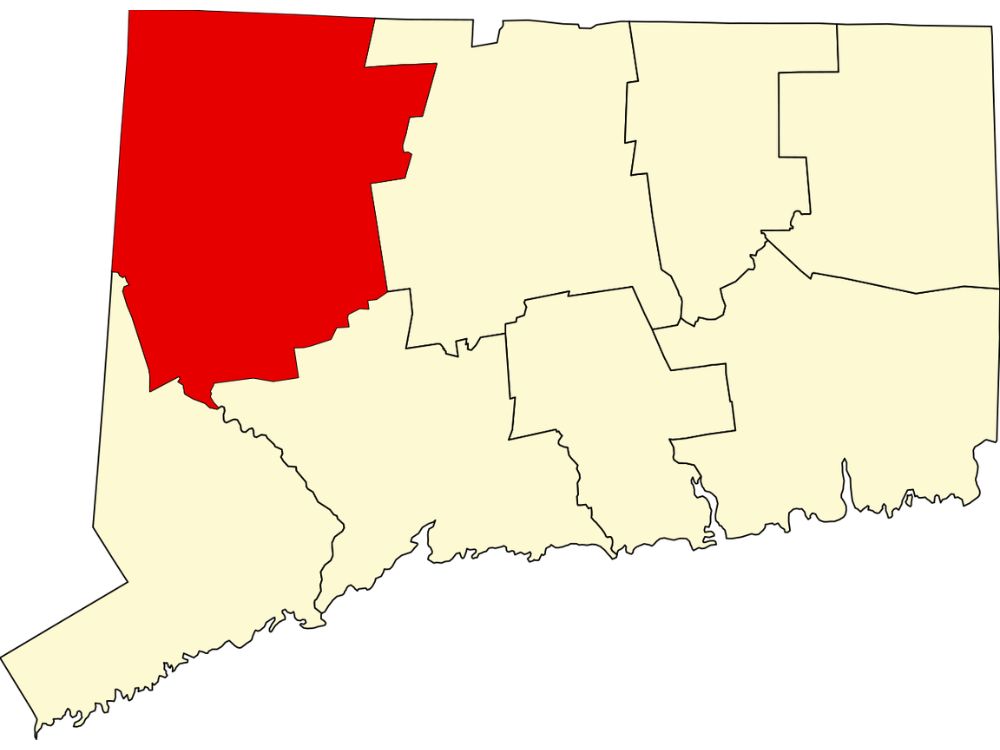
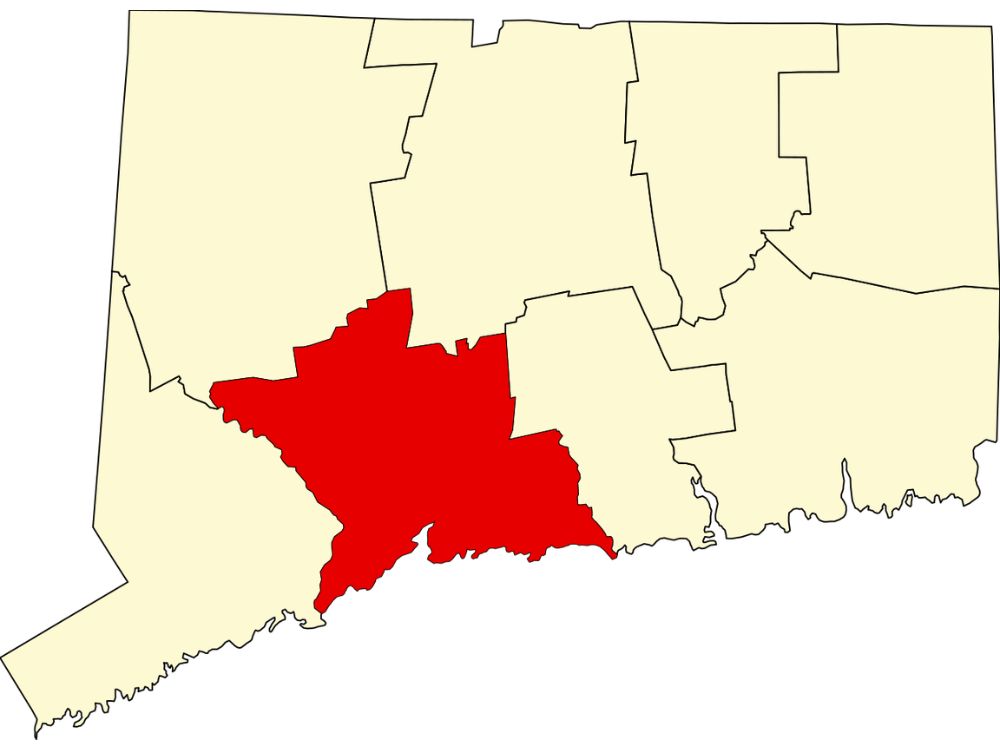
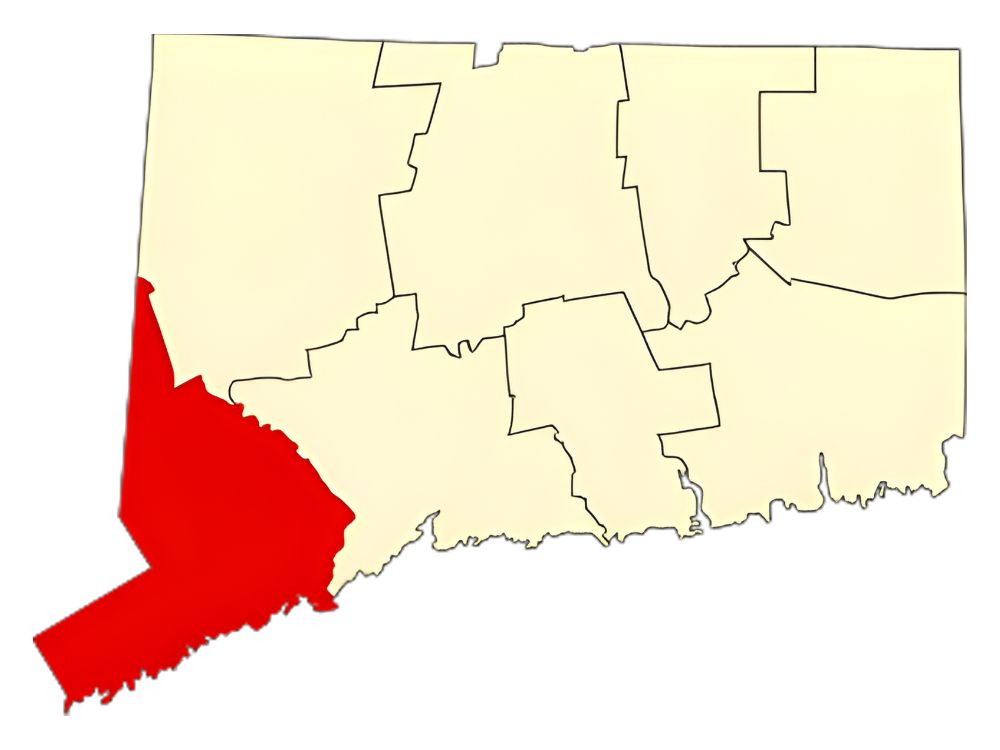
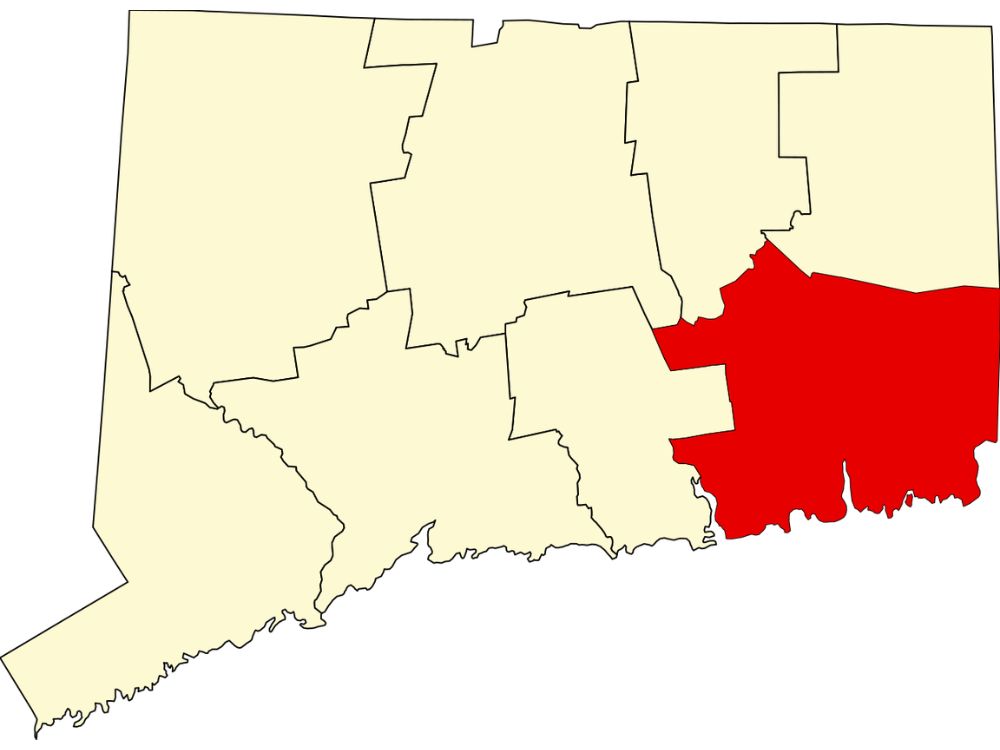
This Connecticut ADU regulations guide organizes local requirements by county and town so you can quickly research the rules that may apply to your property. Select your county below, then find your town to review whether ADUs are allowed and the available information on ADU zoning requirements, attached and detached ADUs, maximum ADU size, parking, utilities, occupancy, bedrooms, and other local restrictions.
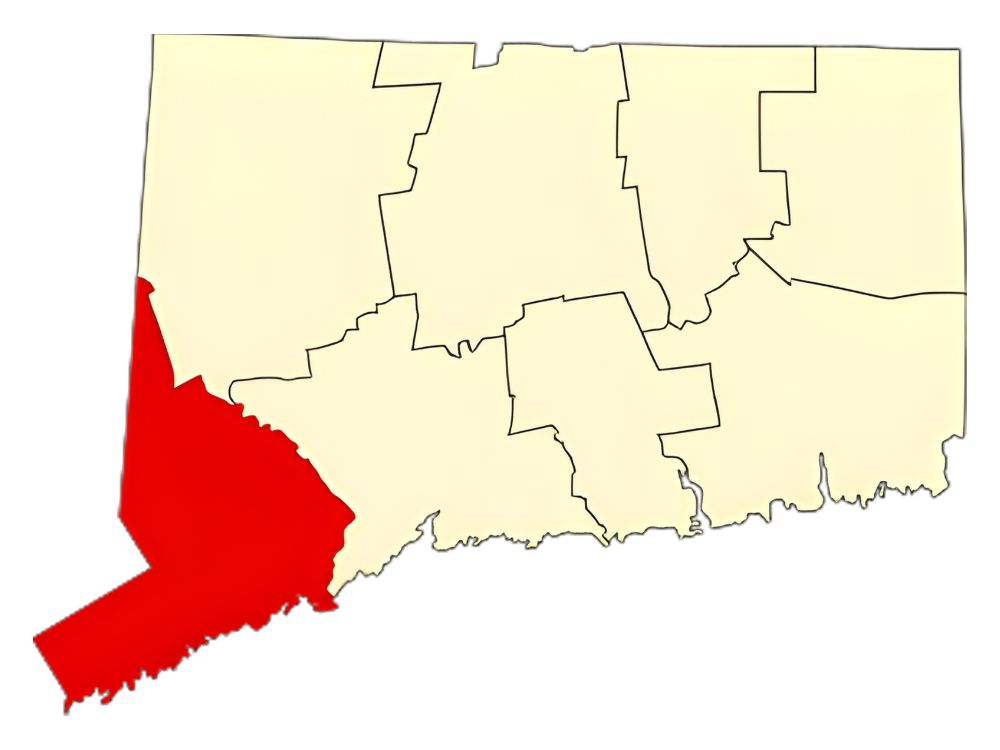
Fairfield County
Does Bethel, CT allow ADUs?
Yes. Bethel allows both attached and detached ADUs. The ADU is limited to 30% of the principal dwelling or 1,000 square feet, whichever is smaller. Two parking spaces on the same lot are shown for each dwelling. Occupancy is limited to two people.
Does Bridgeport, CT allow ADUs?
Yes. Bridgeport allows attached and detached ADUs. An ADU may not exceed 49% of the gross floor area of the principal unit or 800 square feet, whichever is less. Attached ADUs are shown in the N1, N3, and N4 zones. Detached ADUs are shown in the N1, N2, N3, and N4 zones. Setbacks depend on the applicable zoning district.
Does Brookfield, CT allow ADUs?
Yes. Brookfield allows attached and detached ADUs. ADUs must be at least 480 square feet and no more than 800 square feet. Area, dimensional, setback, and building-height requirements apply.
Does Danbury, CT allow ADUs?
No.
Does Darien, CT allow ADUs?
Yes. Darien allows attached and detached ADUs. Attached ADUs may be up to 700 square feet, while detached ADUs may be up to 1,000 square feet. The ADU must also be less than 30% of the main dwelling area. Septic requirements are property specific. Sewer connects to existing service. Studio and one-bedroom units require one parking space, with an additional space for each additional bedroom. Owner occupancy is required.
Does Easton, CT allow ADUs?
Yes. Easton allows attached and detached ADUs. Attached ADUs are limited to 40% of the principal dwelling or 1,500 square feet, whichever requirement is more restrictive. Detached ADUs are generally limited to 30% or 1,000 square feet, with a smaller-lot provision shown at 20% or 800 square feet. Utilities are shown as connecting through the main house. Septic is property specific. Owner occupancy is required. Attached units may have up to two bedrooms, while detached units are shown with a one-bedroom maximum.
Does Fairfield, CT allow ADUs?
Yes. Fairfield allows attached and detached ADUs. The maximum size is 40% of the main dwelling or 1,500 square feet, whichever is less. Attached ADUs are shown in all qualifying zones except the Beach District. Detached ADUs are shown in the NAA, AA, and R-3 zones. Utilities and sewer connect through the main house. One parking space is required for the ADU, in addition to the principal dwelling parking requirement. Owner occupancy is required.
Does Greenwich, CT allow ADUs?
Yes. Greenwich allows attached and detached ADUs. Attached ADUs may not exceed 35% of the gross floor area of the primary dwelling. Detached ADU limits vary by zoning district, including 800 square feet in R-12, R-7, and R-6; 1,000 square feet in RA-1 and RA-0; and 1,200 square feet in RA-2 and RA-4. At least one dedicated off-street parking space is required. Owner occupancy is required.
Does Monroe, CT allow ADUs?
Yes. Monroe allows attached and detached ADUs. ADUs generally range from 400 to 1,000 square feet and may not exceed 30% of gross livable floor area. Attached ADUs are shown in RF-1, RF-2, and RF-3. Detached ADUs are shown in RF-3 only. One off-street space is required for the ADU in addition to the principal residence requirement. Owner occupancy is required.
Does New Canaan, CT allow ADUs?
Yes. New Canaan allows attached and detached ADUs. The maximum size is 1,000 square feet or 40% of the existing home, whichever is less. Attached ADUs are allowed on qualifying lots, subject to zoning conditions. Detached ADUs are shown in the larger-lot zones identified in the source material. Utilities connect through the main house. Owner occupancy is required.
Does New Fairfield, CT allow ADUs?
Yes. New Fairfield allows attached and detached ADUs. The maximum size is 1,000 square feet or 30% of the combined floor area of the primary dwelling and ADU, whichever is less. Parking must serve both residential uses and may not be located in the front yard. Owner occupancy is required.
Does Newtown, CT allow ADUs?
Yes. Newtown allows attached and detached ADUs. The maximum size is 1,000 square feet or 40% of the main dwelling, whichever is less. Utilities and sewer are shown as connecting through the main house. One off-street parking space is required for the ADU. Owner occupancy is required.
Does Norwalk, CT allow ADUs?
Yes. Norwalk allows attached and detached ADUs. The maximum size is 1,000 square feet. Public water and sewer are preferred where reasonably available. Private water and septic systems are subject to health department approval. Three off-street parking spaces are required in total. The ADU is limited to one bedroom. Occupancy is shown at up to three people, with no more than two adults. Owner occupancy is required. A minimum six-month rental term is shown.
Does Redding, CT allow ADUs?
Yes. Redding allows attached and detached ADUs. The minimum size is 300 square feet. Attached ADUs may be up to 30% of the principal dwelling or 1,000 square feet, whichever is less. Detached limits vary by zoning district, including 800 square feet in smaller residential zones and 1,000 square feet in the R-2 zone. Owner occupancy is required.
Does Ridgefield, CT allow ADUs?
Yes. Ridgefield allows attached and detached ADUs. If the main dwelling is 2,999 square feet or smaller, the maximum ADU size is 900 square feet. If the main dwelling is 3,000 square feet or larger, the maximum is 1,200 square feet. One ADU parking space is shown in addition to the main dwelling requirement. The ADU may have no more than two bedrooms. Owner occupancy is required.
Does Shelton, CT allow ADUs?
Yes. Shelton allows attached ADUs but does not allow detached ADUs. The minimum size is 500 square feet. The maximum is one-third of the habitable space of the residence or 900 square feet, whichever is less. The owner must reside in one unit, and the other unit is subject to the family-occupancy requirement provided.
Does Sherman, CT allow ADUs?
Yes. Sherman allows attached and detached ADUs. The maximum size is 1,200 square feet. At least two parking spaces are required. Either the principal dwelling or ADU must be occupied by the property owner. The ADU may contain no more than two bedrooms. The permitted occupant categories shown include guests, relatives, caretakers, and certain household employees.
Does Stamford, CT allow ADUs?
Yes. Stamford allows attached and detached ADUs. The lot must be at least 10,000 square feet. The ADU may not exceed 800 square feet. Utilities connect through the main house. Septic requirements are property specific. One parking space is shown for the ADU in addition to the principal dwelling requirement. Owner occupancy is required.
Does Stratford, CT allow ADUs?
Yes. Stratford allows attached and detached ADUs. The maximum size is 1,000 square feet. Utilities and sewer connect through the existing house. Septic requirements are property specific. One ADU parking space is required in addition to the principal dwelling requirement. Occupancy is limited to two people. Owner occupancy is required.
Does Trumbull, CT allow ADUs?
Yes. Trumbull allows attached ADUs but does not allow detached ADUs. The minimum size is 300 square feet. The ADU may not exceed 30% of the existing dwelling. Basement ADUs are allowed. Four off-street parking spaces are required.
Does Weston, CT allow ADUs?
Yes. Weston allows attached and detached ADUs. The maximum size is 30% of the existing dwelling or 1,000 square feet, whichever is less. Utilities connect through the main house. Septic requirements are property specific. One ADU parking space is shown in addition to two spaces for the main residence. Occupancy is limited to two people. Owner occupancy is required.
Does Westport, CT allow ADUs?
Yes. Westport allows attached and detached ADUs. The attached affordable accessory apartment provision shown has a minimum of 300 square feet and a maximum of 800 square feet or 25% of the dwelling. Detached ADUs are shown in the R-AHZ zone. Owner occupancy is required.
Does Wilton, CT allow ADUs?
Yes. Wilton allows attached and detached ADUs. The size provision shown is one-quarter of the main dwelling's gross floor area or 750 square feet, whichever is greater. Additional minimum lot requirements apply. Utilities connect through the main house. Septic requires property-specific review and town sanitarian approval. Owner occupancy is required.
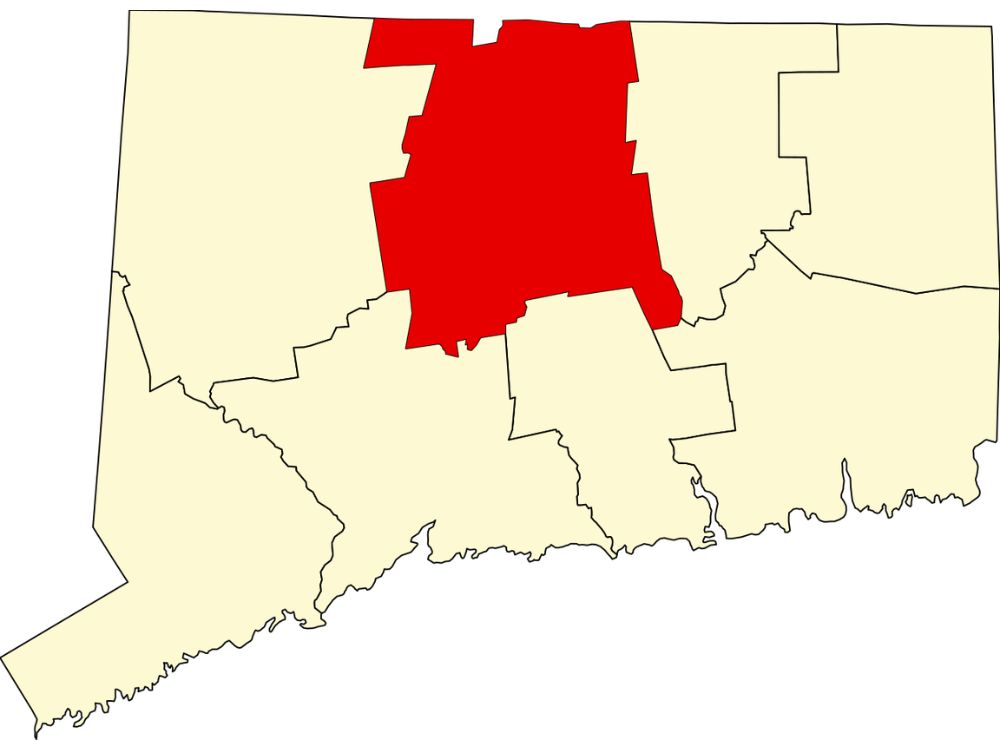
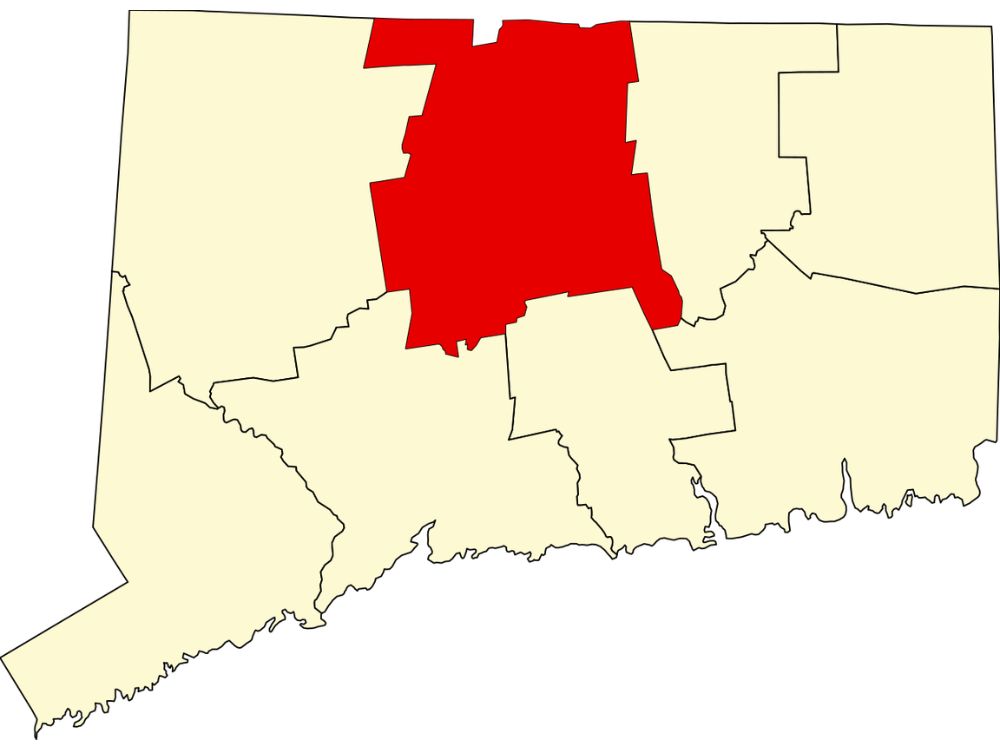
Hartford County
Does Avon, CT allow ADUs?
Yes. Avon allows attached and detached ADUs. The size range shown is 400 to 1,000 square feet. Utilities connect through the main house. Septic and sewer requirements are property specific.
Does Berlin, CT allow ADUs?
Yes. Berlin allows attached ADUs but does not allow detached ADUs. The ADU must be between 400 and 700 square feet. The principal dwelling must be at least 900 square feet. Occupancy is limited to two people, and the ADU may have no more than two bedrooms.
Does Bloomfield, CT allow ADUs?
Yes. Bloomfield allows attached and detached ADUs. The maximum floor area is 1,000 square feet, and the ADU may not be larger than the principal dwelling. Utilities may connect through the main house or use separate service. One off-street parking space is required for the ADU. Owner occupancy is required.
Does Bristol, CT allow ADUs?
Yes. Bristol allows attached ADUs but does not allow detached ADUs. The maximum net floor area is 1,000 square feet. The ADU may not exceed 50% of the principal dwelling's floor area and may contain no more than two bedrooms.
Does Burlington, CT allow ADUs?
Yes. Burlington allows attached and detached ADUs. The ADU may not exceed 40% of the principal dwelling's living area or 2,500 square feet, whichever is less. One additional off-street parking space is required. Occupancy is shown at no more than two adults plus their minor children.
Does Canton, CT allow ADUs?
Yes. Canton allows attached and detached ADUs. The ADU may not exceed 30% of the principal dwelling. Utilities, sewer, and septic service are shown as tied to existing systems. Three parking spaces are required in total. The property owner must reside in one of the dwelling units.
Does East Granby, CT allow ADUs?
Yes. East Granby allows attached ADUs but does not allow detached ADUs. The maximum is 700 square feet or 30% of the principal dwelling. A special permit may allow up to 900 square feet and two bedrooms. Owner occupancy is required.
Does East Hartford, CT allow ADUs?
Yes. East Hartford allows attached and detached ADUs. The maximum is 40% of the principal dwelling's livable floor area or 1,000 square feet, whichever is less. The regulations provide for at least 500 square feet. Utilities may connect through the principal home or use separate service.
Does East Windsor, CT allow ADUs?
The supplied regulation materials did not contain enough town-specific information to state East Windsor's ADU requirements with confidence. This municipality should remain marked for regulatory confirmation before publication.
Does Enfield, CT allow ADUs?
Yes. Enfield allows attached ADUs but does not allow detached ADUs. The size range is 400 to 750 square feet. The homeowner is required to occupy the property.
Does Farmington, CT allow ADUs?
Yes. Farmington allows attached and detached ADUs. The ADU may not exceed 30% of the main dwelling. Attached size requirements vary by bedroom count. Detached ADUs may be permitted up to 1,200 square feet under the provisions shown. Owner occupancy is required.
Does Glastonbury, CT allow ADUs?
Yes. Glastonbury allows attached ADUs but does not allow detached ADUs. The maximum size is 800 square feet. A cooking area is required. One additional off-street parking space is required. Occupancy is limited to three people, with no more than two adults. Owner occupancy is required.
Does Granby, CT allow ADUs?
Yes. Granby allows attached and detached ADUs. The maximum size is 1,200 square feet, subject to applicable zoning conditions. Three parking spaces are required in total. Owner occupancy is required.
Does Hartford, CT allow ADUs?
Yes. Hartford allows attached and detached ADUs. The maximum size is 50% of the usable floor area of the principal dwelling or 1,000 square feet, whichever is less.
Does Hartland, CT allow ADUs?
Yes. Hartland allows attached and detached ADUs. The maximum living area is 800 square feet. Utilities are shown as connecting through the main house.
Does Manchester, CT allow ADUs?
Yes. Manchester allows attached and detached ADUs. The maximum is 50% of the principal dwelling's usable floor area or 1,000 square feet, whichever is less. At least one off-street parking space is required for the ADU.
Does Marlborough, CT allow ADUs?
Yes. Marlborough allows attached and detached ADUs. The minimum size is 500 square feet. The maximum is 35% of the principal dwelling or 1,200 square feet, whichever is less. No more than two bedrooms are permitted.
Does New Britain, CT allow ADUs?
Yes. New Britain allows attached ADUs but does not allow detached ADUs. The maximum size is 800 square feet or 40% of the residence. The ADU may contain one bedroom and may be occupied by no more than two people. Owner occupancy is required.
Does Newington, CT allow ADUs?
Yes. Newington allows attached ADUs but does not allow detached ADUs. The minimum size is 500 square feet. The maximum is 30% of the home's gross livable floor area. Three parking spaces are required in total. Owner occupancy is required. Short-term rental use is not allowed.
Does Plainville, CT allow ADUs?
Yes. Plainville allows attached ADUs but does not allow detached ADUs. The minimum size is 400 square feet. The maximum is 35% of the structure or 800 square feet, whichever is smaller. Two additional off-street spaces are required for the accessory apartment. Owner occupancy is required.
Does Rocky Hill, CT allow ADUs?
Yes. Rocky Hill allows attached and detached ADUs. The ADU may not exceed 30% of the single-family dwelling's gross floor area after construction. Separate utilities are required. Two ADU parking spaces are required in addition to the principal dwelling's parking requirement. Owner occupancy is required.
Does Simsbury, CT allow ADUs?
Yes. Simsbury allows attached and detached ADUs. The size provision shown is 600 square feet or 30% of the principal dwelling's gross floor area, whichever is greater. One dedicated parking space is required. Owner occupancy is required.
Does South Windsor, CT allow ADUs?
Yes. South Windsor allows attached and detached ADUs. The maximum is 30% of the primary dwelling or 1,000 square feet, whichever is smaller. The property must accommodate at least three vehicles off street. Owner occupancy is required.
Does Southington, CT allow ADUs?
Yes. Southington allows attached parent or grandparent apartments but does not allow detached ADUs. The maximum is 40% of the first-floor gross area or 800 square feet, whichever is less. The unit is limited to one bedroom and may not be offered for rent.
Does Suffield, CT allow ADUs?
Yes. Suffield allows attached and detached ADUs. The maximum is 30% of the principal dwelling's net floor area or 1,000 square feet, whichever is less. Utilities are shown as tied to the main house. The owner must occupy one of the dwelling units.
Does West Hartford, CT allow ADUs?
Yes. West Hartford allows attached and detached ADUs. The maximum size is 1,000 square feet or 30% of the main dwelling. Utilities connect through the main house. At least one parking space is required. Owner occupancy is required.
Does Wethersfield, CT allow ADUs?
Yes. Wethersfield allows attached ADUs in the residential zones identified in the source material but does not allow detached ADUs. The maximum is 1,000 square feet or 30% of the single-family dwelling, whichever is less.
Does Windsor, CT allow ADUs?
Yes. Windsor allows attached and detached ADUs. The maximum is 30% of the principal dwelling or 1,000 square feet, whichever is less. No additional parking space is shown as required. The owner must continue to reside on the property.
Does Windsor Locks, CT allow ADUs?
No.
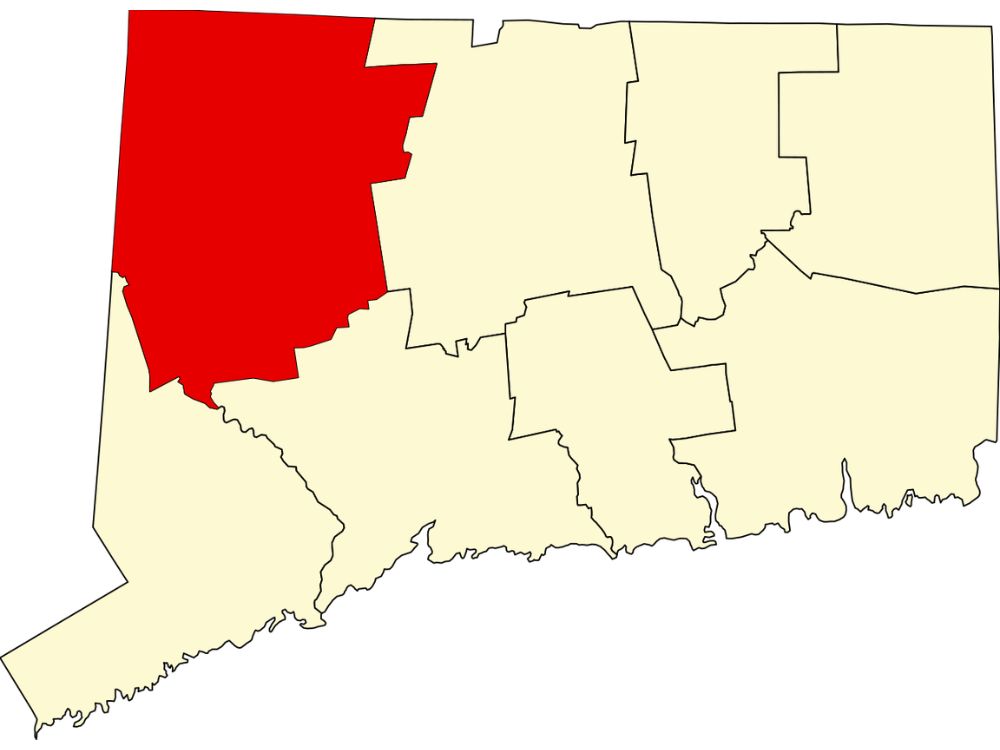
Litchfield County
Does Barkhamsted, CT allow ADUs?
Yes. Barkhamsted allows attached and detached ADUs. The minimum size is 400 square feet. An ADU within an existing dwelling may not exceed 50% of the existing dwelling's floor area. An ADU in an accessory building may not exceed 60%. Owner occupancy is required.
Does Bethlehem, CT allow ADUs?
No.
Does Bridgewater, CT allow ADUs?
Yes. Bridgewater allows attached and detached ADUs. Attached units are shown at 400 to 900 square feet or up to 40% of the applicable floor area. Detached units are shown at 500 to 1,200 square feet or up to 40%. Two parking spaces are required.
Does Canaan, CT allow ADUs?
Yes. Canaan allows attached and detached ADUs. An ADU may not exceed 1,500 square feet or 40% of the principal building's floor area under the requirements shown. Owner occupancy is required.
Does Colebrook, CT allow ADUs?
Yes. Colebrook allows attached and detached ADUs. The maximum size is 800 square feet and may not exceed 40% of the primary dwelling. Two parking spaces per dwelling unit are required. Owner occupancy is required.
Does Cornwall, CT allow ADUs?
Yes. Cornwall allows attached and detached ADUs. The ADU must be smaller than the existing principal unit and may not exceed 1,200 square feet. Septic approval is required.
Does Goshen, CT allow ADUs?
Yes. Goshen allows attached and detached ADUs. The total floor area of the accessory dwelling unit may not exceed the lesser of 1,200 square feet or 50% of the floor area of the principal residential structure.
Does Harwinton, CT allow ADUs?
Yes. Harwinton allows attached ADUs but does not allow detached ADUs. The minimum size is 450 square feet. The ADU may not exceed one-third of the principal use's floor area. Two off-street parking spaces are required for the ADU.
Does Kent, CT allow ADUs?
Yes. Kent allows attached and detached ADUs in the zoning districts identified in the supplied regulations. No specific maximum ADU size was provided in the source material. Septic requires sanitarian approval. Owner occupancy is required.
Does Litchfield, CT allow ADUs?
Yes. Litchfield allows attached and detached ADUs. The minimum size is 500 square feet. The maximum percentage shown is 36%. Owner occupancy is required.
Does Morris, CT allow ADUs?
Yes. Morris allows attached and detached ADUs. The ADU may not exceed 40% of the principal dwelling's floor area and may not exceed 1,000 square feet. One parking space is required. No more than two bedrooms are permitted.
Does New Hartford, CT allow ADUs?
Yes. New Hartford allows attached and detached ADUs. The minimum size is 500 square feet. The maximum is 40% of the residence's total gross floor area. Three parking spaces are required in total. Owner occupancy is required.
Does New Milford, CT allow ADUs?
Yes. New Milford allows attached and detached ADUs. The minimum size is 500 square feet. The maximum is generally 1,000 square feet or 50% of the existing house. Additional lot-size requirements apply to attached and detached configurations. Septic and water require sanitarian approval.
Does Norfolk, CT allow ADUs?
Yes. Norfolk allows attached and detached ADUs. The maximum is shown as 1,200 square feet or 40% of the principal dwelling's living space. Two parking spaces per dwelling unit are required. Owner occupancy is required.
Does North Canaan, CT allow ADUs?
Yes. North Canaan allows attached and detached ADUs. The minimum is 500 square feet. The maximum is 30% of the principal dwelling's net floor area or 1,000 square feet, whichever is less. Parking requirements vary by bedroom count.
Does Plymouth, CT allow ADUs?
Yes. Plymouth allows attached and detached ADUs. ADUs must be between 400 and 700 square feet and may contain no more than two bedrooms. Family-occupancy restrictions apply. Owner occupancy is required.
Does Roxbury, CT allow ADUs?
Yes. Roxbury allows attached and detached ADUs. Attached ADUs have a minimum size of 450 square feet and may not exceed 40% of the primary residence. Detached ADUs have a minimum of 450 square feet and may be up to 1,800 square feet.
Does Salisbury, CT allow ADUs?
Yes. Salisbury allows attached and detached ADUs. The minimum floor area is 350 square feet or the applicable building-code minimum. An accessory-building apartment may be up to 2,000 square feet. Owner or qualifying family occupancy requirements apply.
Does Sharon, CT allow ADUs?
Yes. Sharon allows attached and detached ADUs. The minimum size is 500 square feet for a studio or one-bedroom unit, with an additional 150 square feet required for each additional bedroom. Owner occupancy is required.
Does Thomaston, CT allow ADUs?
Yes. Thomaston allows attached and detached ADUs. The maximum is 750 square feet or 40% of the total area after construction, whichever is less. Well and septic approval is required. The ADU is shown with one bedroom.
Does Torrington, CT allow ADUs?
Yes. Torrington allows attached and detached ADUs. The minimum is 400 square feet. The maximum is 30% of the principal dwelling or 1,000 square feet, whichever is less. One parking space is required.
Does Warren, CT allow ADUs?
Yes. Warren allows attached and detached ADUs. The maximum is 900 square feet or 50% of the existing dwelling's floor area. Additional proximity and acreage requirements apply.
Does Washington, CT allow ADUs?
Yes. Washington allows attached and detached ADUs. ADUs must be at least 400 square feet and may not exceed 1,200 square feet. Septic and water require town sanitarian approval. Two parking spaces are required for the ADU. Owner occupancy is required.
Does Watertown, CT allow ADUs?
Yes. Watertown allows attached and detached ADUs. The maximum is 1,000 square feet or 50% of the principal building's gross floor area. Owner occupancy is required.
Does Winchester, CT allow ADUs?
Yes. Winchester allows attached ADUs but does not allow detached ADUs. The maximum size is 900 square feet. Three total parking spaces are required. Occupancy is limited to three people. Owner occupancy is required.
Does Woodbury, CT allow ADUs?
Yes. Woodbury allows attached and detached ADUs. The maximum is 30% of the principal dwelling or 1,000 square feet, whichever is smaller. Two parking spaces on the same lot are shown for each dwelling. Occupancy is limited to two people.
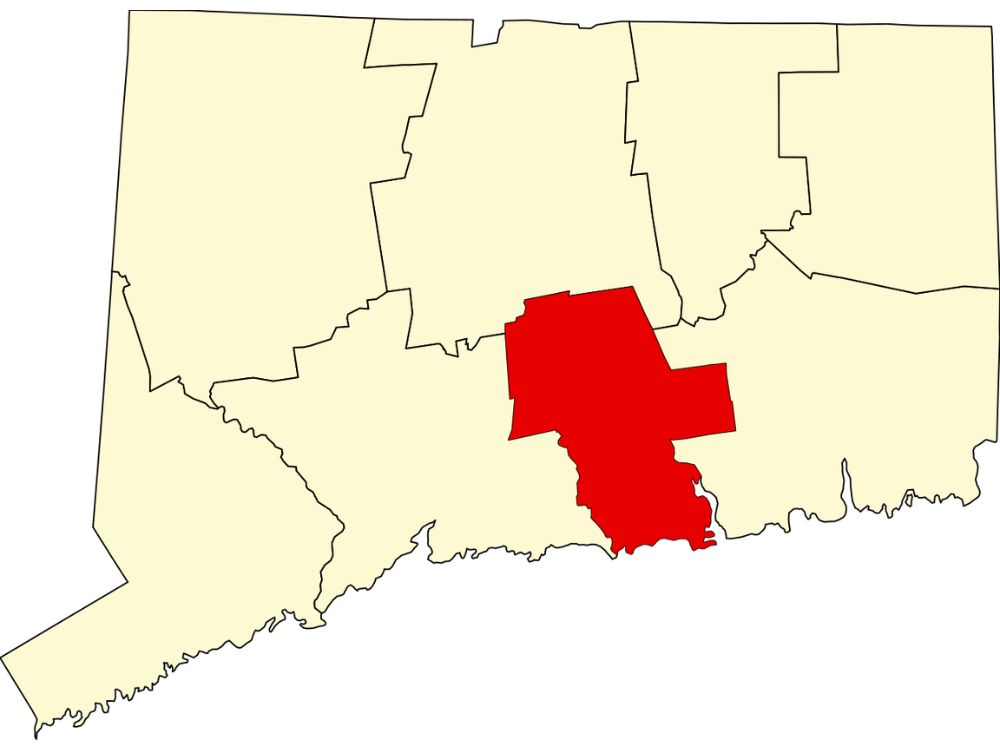
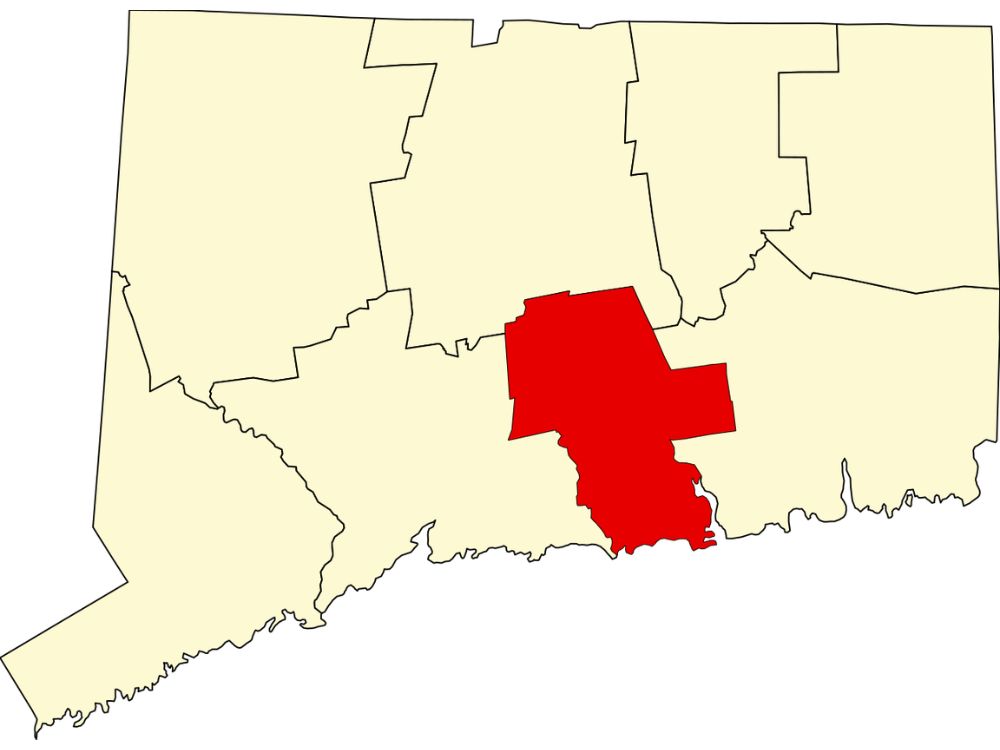
Middlesex County
Does Chester, CT allow ADUs?
Yes. Chester allows attached and detached ADUs. The minimum size is 400 square feet. The maximum is 1,000 square feet or 30% of the combined floor area of the principal dwelling and ADU, whichever is less. No more than two bedrooms are permitted.
Does Clinton, CT allow ADUs?
Yes. Clinton allows attached and detached ADUs. The maximum is 1,000 square feet or 30% of the principal dwelling. Utilities connect through existing service. Owner occupancy is required. No more than two bedrooms are permitted.
Does Cromwell, CT allow ADUs?
Yes. Cromwell allows attached and detached ADUs. The maximum size is 1,000 square feet. Utilities, sewer, and septic are shown as tied to existing systems.
Does Deep River, CT allow ADUs?
Yes. Deep River allows attached and detached ADUs. The minimum is 400 square feet. The maximum is 1,000 square feet or 30% of the principal dwelling, whichever is less. No more than two bedrooms are permitted.
Does Durham, CT allow ADUs?
Yes. Durham allows attached and detached ADUs. The maximum is 1,000 square feet or 33 1/3% of the existing single-family home's habitable area, whichever is less. Two parking spaces per family unit are required. An ADU may not be permitted where the sewage disposal system is failing. No more than two bedrooms are permitted.
Does East Haddam, CT allow ADUs?
Yes. East Haddam allows attached and detached ADUs. The size range is 300 to 700 square feet. Utilities connect through existing service. Septic and sewer requirements are property specific. Owner occupancy is required. No more than two bedrooms are permitted.
Does East Hampton, CT allow ADUs?
Yes. East Hampton allows attached and detached ADUs. The size range is 200 to 900 square feet. No more than two parking spaces are shown for the ADU. The owner must reside on the property. No more than two bedrooms are permitted.
Does Essex, CT allow ADUs?
Yes. Essex allows attached and detached ADUs. The living area may not exceed 1,000 square feet or 30% of the combined assessed living area of the principal dwelling and ADU, whichever is less. Parking and access must serve both units. No additional curb cut may be created.
Does Haddam, CT allow ADUs?
Yes. Haddam allows attached and detached ADUs. The maximum is 30% of the principal dwelling's net floor area or 1,000 square feet, whichever is less.
Does Killingworth, CT allow ADUs?
Yes. Killingworth allows attached and detached ADUs. The minimum is 400 square feet. The maximum is 33% of the principal dwelling or 950 square feet, whichever is less. Occupancy is limited to two people. One bedroom is shown. Owner occupancy is required.
Does Middlefield, CT allow ADUs?
The supplied regulation materials did not contain enough town-specific information to state Middlefield's ADU requirements with confidence. This municipality should remain marked for regulatory confirmation before publication.
Does Middletown, CT allow ADUs?
Yes. Middletown allows attached and detached ADUs. The maximum is 1,000 square feet or 40% of the main dwelling's floor area, whichever is less.
Does Old Saybrook, CT allow ADUs?
Yes. Old Saybrook allows attached and detached ADUs. The maximum is one-third of the principal dwelling's gross floor area or 1,000 square feet, whichever is less. At least one additional off-street parking space is required. Owner occupancy requirements apply, subject to the exception included in the regulation.
Does Portland, CT allow ADUs?
Yes. Portland allows attached and detached ADUs in the applicable zoning districts. Detached ADUs are subject to site-plan approval. The minimum is 500 square feet. The maximum is tied to 50% or less of the principal dwelling's floor area. One parking space per bedroom is required. Owner occupancy is required. No more than two bedrooms are permitted.
Does Westbrook, CT allow ADUs?
Yes. Westbrook allows attached and detached ADUs. The maximum is 1,000 square feet or 30% of the principal dwelling. Two off-street parking spaces are required. No more than two bedrooms are permitted.
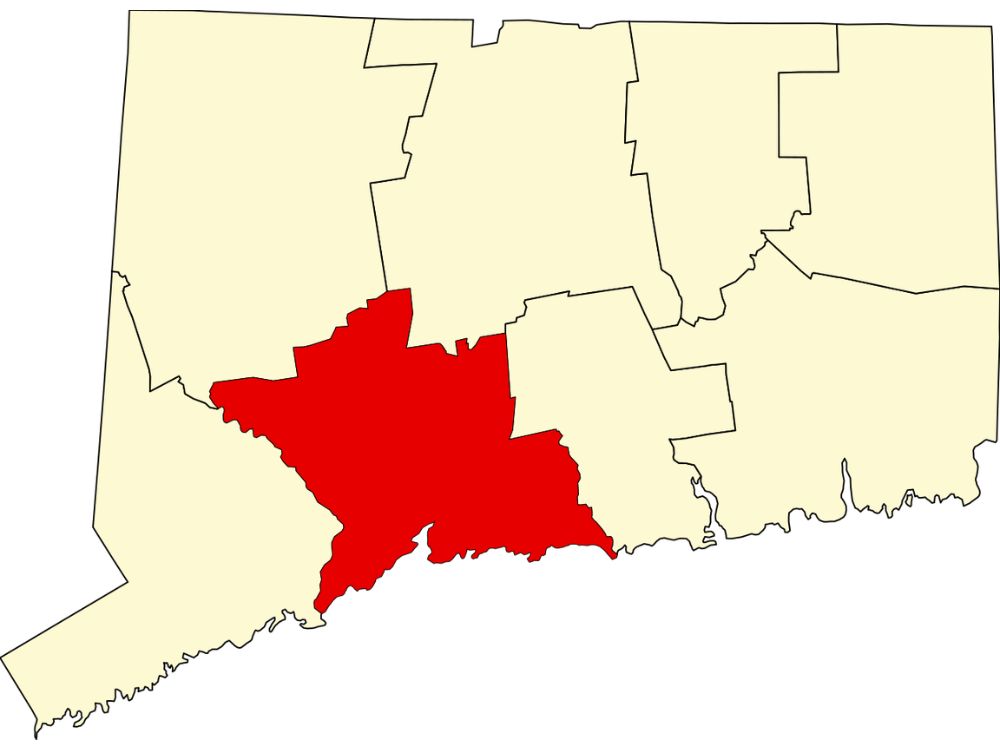
New Haven County
Does Ansonia, CT allow ADUs?
Yes. Ansonia allows detached ADUs but does not allow attached ADUs. The size provision shown is 30% of the principal dwelling's gross floor area or 750 square feet, whichever is greater. At least four off-street parking spaces are required. Family-occupancy restrictions apply.
Does Beacon Falls, CT allow ADUs?
Yes. Beacon Falls allows attached and detached ADUs. The maximum is one-third of the principal building's gross floor area or 1,000 square feet, whichever is less. At least three vehicles must be accommodated with off-street parking.
Does Bethany, CT allow ADUs?
Yes. Bethany allows attached and detached ADUs. The maximum floor area is 1,000 square feet. Up to two bedrooms are permitted. Septic and water require town sanitarian review and approval. At least two parking spaces per dwelling are required.
Does Branford, CT allow ADUs?
Yes. Branford allows attached and detached ADUs. The maximum is 900 square feet or 30% of the principal dwelling, whichever is less. At least three off-street parking spaces are required. Owner occupancy is required.
Does Cheshire, CT allow ADUs?
Yes. Cheshire allows attached ADUs but does not allow detached ADUs. The maximum size is 950 square feet. Owner occupancy is required.
Does Derby, CT allow ADUs?
No.
Does East Haven, CT allow ADUs?
Yes. East Haven allows attached ADUs but does not allow detached ADUs. The minimum is 400 square feet. The maximum is 800 square feet or 33% of the applicable principal dwelling floor area.
Does Guilford, CT allow ADUs?
Yes. Guilford allows attached and detached ADUs. The maximum is 50% of the primary dwelling's finished floor area or 1,200 square feet, whichever is less. One off-street parking space is required. Occupancy is limited to two people.
Does Hamden, CT allow ADUs?
Yes. Hamden allows attached and detached ADUs. The minimum is 300 square feet. The maximum is 30% of the principal dwelling or 1,000 square feet, whichever is less. No more than two bedrooms are permitted. Owner occupancy is required.
Does Madison, CT allow ADUs?
Yes. Madison allows attached and detached ADUs. The minimum is 400 square feet. The maximum is 800 square feet or one-third of the dwelling's floor area. At least three vehicles must be accommodated off street. Occupancy is limited to three people.
Does Meriden, CT allow ADUs?
No.
Does Middlebury, CT allow ADUs?
Yes. Middlebury allows attached and detached ADUs. The size provision shown is 20% or 500 square feet. Several additional regulatory fields were incomplete in the source information and should be confirmed before publication.
Does Milford, CT allow ADUs?
Yes. Milford allows attached ADUs but does not allow detached ADUs under the supplied regulation information. The maximum size is 800 square feet. Attached ADUs may share utilities with the principal dwelling.
Does Naugatuck, CT allow ADUs?
Yes. Naugatuck allows attached ADUs but does not allow detached ADUs. The minimum is 360 square feet. The maximum is 30% of the principal dwelling. At least four parking spaces are required. Occupancy is limited to two qualifying family members.
Does New Haven, CT allow ADUs?
Yes. New Haven allows attached and detached ADUs in the applicable zoning districts. The minimum lot size shown is 4,000 square feet. The ADU must contain at least 400 square feet and may not exceed 1,200 square feet or the size of the principal dwelling, whichever is smaller.
Does North Branford, CT allow ADUs?
Yes. North Branford allows attached ADUs but does not allow detached ADUs. The maximum size is one-third of the main house's total floor area or 750 square feet, whichever is smaller.
Does North Haven, CT allow ADUs?
Yes. North Haven allows certain attached and detached ADU configurations. Attached ADUs are shown through conversion of a portion of the existing residence, such as an attic or basement. Newly constructed attached additions are not allowed under the provision supplied. Detached ADUs are shown through conversion of certain existing accessory structures or legalization of an existing secondary dwelling.
Does Orange, CT allow ADUs?
Yes. Orange allows attached ADUs but does not allow detached ADUs. The maximum size is 900 square feet. The occupancy requirements shown include an age-55 condition.
Does Oxford, CT allow ADUs?
Yes. Oxford allows attached ADUs but does not allow detached ADUs. The size range is 400 to 800 square feet. The ADU may contain no more than one bedroom. Owner residency is required.
Does Prospect, CT allow ADUs?
Yes. Prospect allows attached ADUs but does not allow detached ADUs. The maximum is 30% of the primary dwelling's floor area or 1,000 square feet. At least four parking spaces are required. Occupancy is limited to two qualifying occupants under the family restrictions provided.
Does Seymour, CT allow ADUs?
Yes. Seymour allows attached and detached ADUs. The maximum is 30% of the principal dwelling or 1,000 square feet, whichever is less. One additional parking space is required. The ADU may not be used as a vacation home or short-term rental.
Does Southbury, CT allow ADUs?
Yes. Southbury allows attached and detached ADUs. Attached ADUs may be up to 800 square feet. Detached ADUs may be up to 1,200 square feet. Utilities connect through the principal property. Owner occupancy is required. No more than two bedrooms are permitted.
Does Wallingford, CT allow ADUs?
Yes. Wallingford allows attached ADUs but does not allow detached ADUs. The minimum is 400 square feet. Maximum size varies based on the size of the principal dwelling, with allowances up to 1,500 square feet for qualifying larger homes. No more than two bedrooms are permitted.
Does Waterbury, CT allow ADUs?
No.
Does West Haven, CT allow ADUs?
Yes. West Haven allows attached ADUs but does not allow detached ADUs. The supplied provision shows a one-bedroom, 550-square-foot unit with occupancy limited to one qualifying person. Family-relationship requirements apply.
Does Wolcott, CT allow ADUs?
Yes. Wolcott allows attached ADUs but does not allow detached ADUs. The minimum is 400 square feet. The maximum is 900 square feet or 30% of the principal dwelling. Municipal sewer and public water conditions apply. Two off-street parking spaces per dwelling unit are required. Owner occupancy is required.
Does Woodbridge, CT allow ADUs?
Yes. Woodbridge allows attached and detached ADUs. The minimum is 350 square feet. The maximum is 30% of the principal dwelling's net floor area or 1,000 square feet, whichever is less.
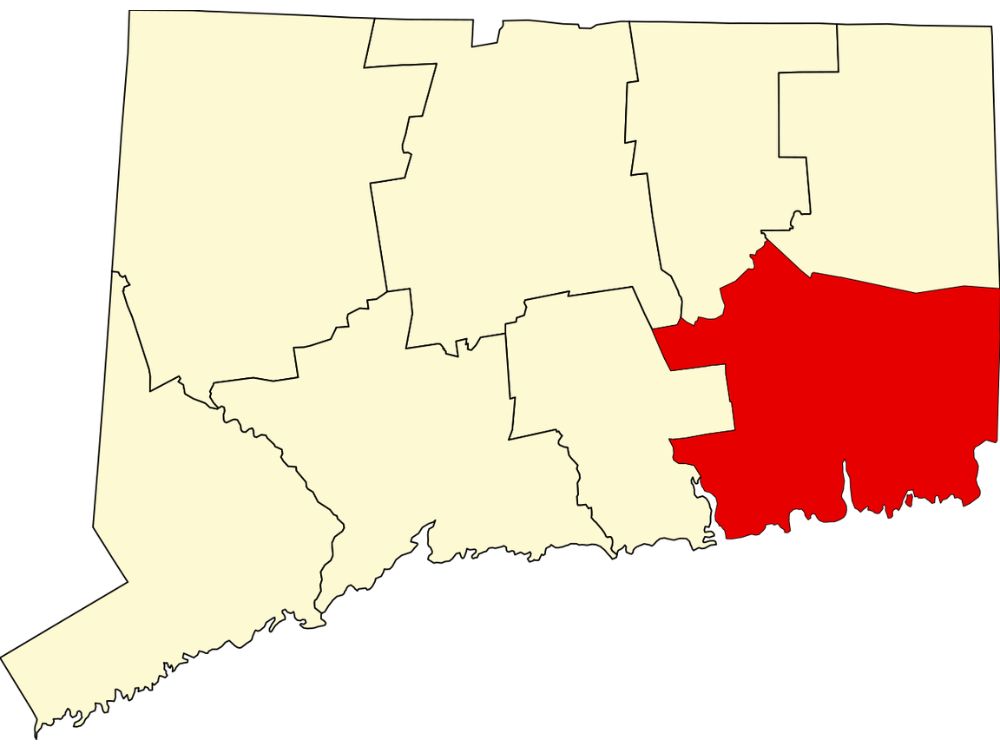
New London County
Does Bozrah, CT allow ADUs?
Yes. Bozrah allows attached ADUs but does not allow detached ADUs. The maximum size is 600 square feet. Septic and water must satisfy town sanitarian requirements. At least one additional parking space is required. The ADU is subject to the family-use provision provided. Owner occupancy is required.
Does Colchester, CT allow ADUs?
Yes. Colchester allows attached and detached ADUs. The maximum is 30% of the principal single-family residence or 1,000 square feet. One additional parking space is required. No more than one bedroom is permitted.
Does East Lyme, CT allow ADUs?
Yes. East Lyme allows attached ADU or in-law accommodations but does not allow detached ADUs under the supplied regulation information. The permitted accessory accommodation is located within the principal residential building.
Does Franklin, CT allow ADUs?
Yes. Franklin allows attached and detached ADUs in the R-80 and R-120 districts shown. The maximum is 1,000 square feet or 30% of the principal dwelling's net floor area, whichever is less.
Does Griswold, CT allow ADUs?
Yes. Griswold allows attached ADUs but does not allow detached ADUs. The maximum floor area is 800 square feet. Owner occupancy is required.
Does Groton, CT allow ADUs?
Yes. Groton allows attached and detached ADUs. The supplied regulation information includes a rear-yard dimensional requirement. Additional size and property-specific requirements should be confirmed during feasibility review.
Does Lebanon, CT allow ADUs?
Yes. Lebanon allows attached ADUs but does not allow detached ADUs. The minimum is 300 square feet. At least five off-street parking spaces are required for the property. Occupancy is limited to two people. The ADU may contain no more than one bedroom. Owner occupancy is required.
Does Ledyard, CT allow ADUs?
Yes. Ledyard allows attached and detached ADUs. The maximum is 30% of the principal residence's net floor area or 1,000 square feet. One dedicated parking space is required for the ADU.
Does Lisbon, CT allow ADUs?
Yes. Lisbon allows attached and detached ADUs. The maximum is 800 square feet or 30% of the main dwelling's floor area, whichever is less. The owner must occupy either the main dwelling or the ADU.
Does Lyme, CT allow ADUs?
Yes. Lyme allows attached and detached ADUs. Attached ADUs must be at least 400 square feet and may not exceed 25% of the building or 1,200 square feet. Detached ADUs are shown at 400 to 1,200 square feet.
Does Montville, CT allow ADUs?
No.
Does New London, CT allow ADUs?
Yes. New London allows attached and detached ADUs. The maximum is 1,000 square feet or 30% of the final total living space, whichever is smaller.
Does North Stonington, CT allow ADUs?
Yes. North Stonington allows attached and detached ADUs. The maximum is 35% of the principal dwelling or 1,200 square feet. At least four off-street parking spaces are required. Owner occupancy is required.
Does Norwich, CT allow ADUs?
Yes. Norwich allows attached and detached ADUs. The maximum is 900 square feet or 30% of the principal dwelling. At least three off-street parking spaces are required. Owner occupancy is required.
Does Old Lyme, CT allow ADUs?
The supplied regulation materials did not contain enough town-specific information to state Old Lyme's ADU requirements with confidence. This municipality should remain marked for regulatory confirmation before publication.
Does Preston, CT allow ADUs?
Yes. Preston allows attached ADUs but does not allow detached ADUs. The minimum is 450 square feet. The ADU may not exceed 25% of the dwelling's total floor area. Town sanitarian certification is required for water and sewage disposal. Owner occupancy is required.
Does Salem, CT allow ADUs?
Yes. Salem allows attached ADUs but does not allow detached ADUs. The maximum is 40% of the existing single-family residence or 1,000 square feet. Occupancy is limited to two people. Owner occupancy is required.
Does Sprague, CT allow ADUs?
Yes. Sprague allows attached ADUs and conditionally allows detached ADUs through conversion of qualifying existing accessory buildings. Attached ADUs may not exceed 50% of the combined gross floor area. Detached ADUs may not exceed 1,000 square feet or 50% of the principal dwelling, subject to the requirements provided.
Does Stonington, CT allow ADUs?
Yes. Stonington allows attached and detached ADUs. The ADU may not exceed 50% of the primary residential structure and may not exceed 1,100 square feet. At least one parking space is required. No more than two bedrooms are permitted.
Does Voluntown, CT allow ADUs?
Yes. Voluntown allows attached and detached ADUs. The maximum is 1,200 square feet or 35% of the combined floor area of the single-family dwelling and ADU, whichever is less. Adequate off-street parking is required.
Does Waterford, CT allow ADUs?
Yes. Waterford allows attached and detached ADUs. The general maximum is 50% of the main house living area or 1,500 square feet, whichever is less. Larger detached units may be possible on qualifying larger lots under the acreage provisions provided. One parking space per ADU is required.
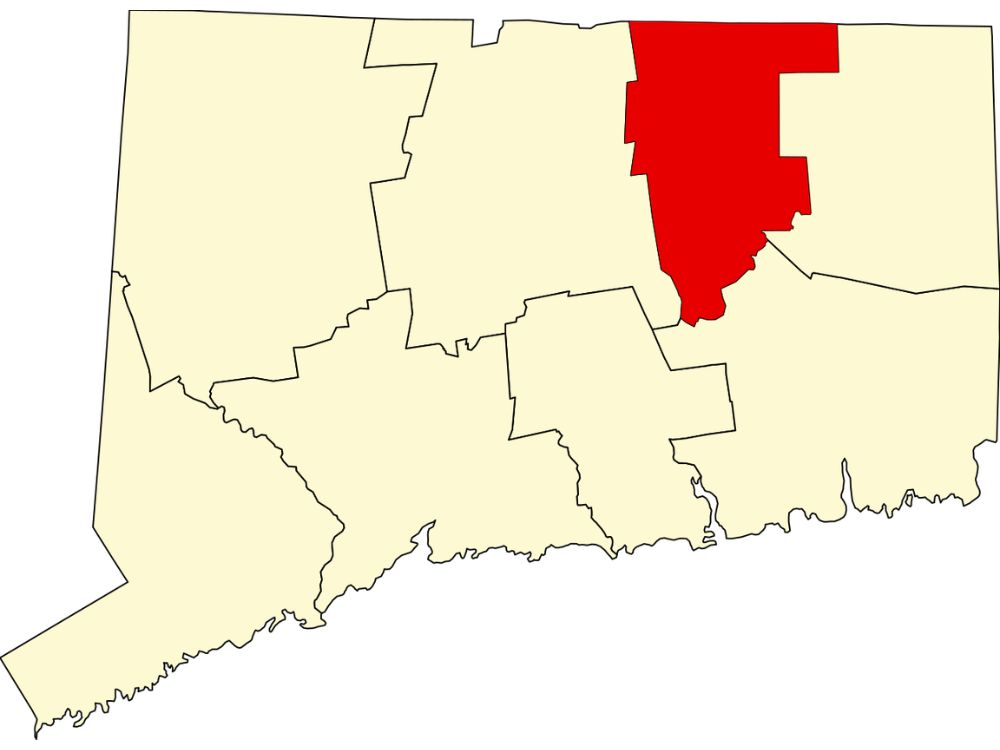
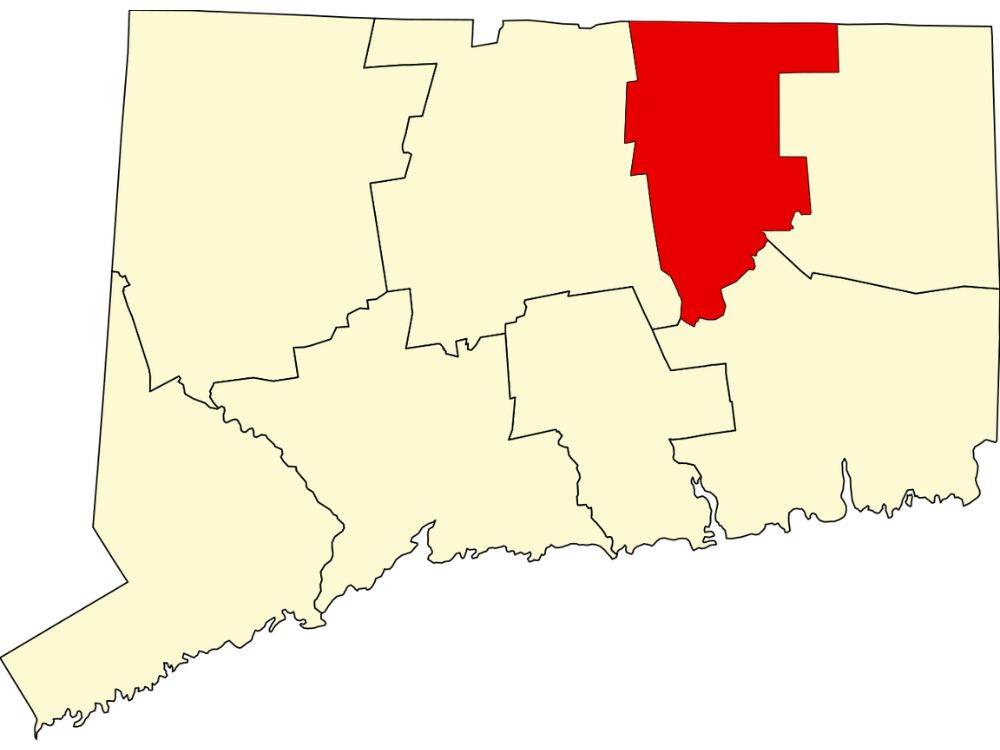
Tolland County
Does Andover, CT allow ADUs?
Yes. Andover allows attached and detached ADUs, subject to zoning district and special-permit conditions. The general maximum shown is 1,000 square feet and 33% of the existing dwelling. Septic requires town sanitarian approval. Owner occupancy is required.
Does Bolton, CT allow ADUs?
Yes. Bolton allows attached and detached ADUs. The maximum is 35% of the total above-ground floor area and 900 square feet. One parking space is required for the ADU. Owner occupancy is required. No more than one bedroom is permitted.
Does Columbia, CT allow ADUs?
Yes. Columbia allows attached and detached ADUs. A detached ADU may not exceed 950 square feet. Adequate off-street parking must be available on the property.
Does Coventry, CT allow ADUs?
Yes. Coventry allows attached and detached ADUs. The ADU may not exceed 1,000 square feet or the size of the main dwelling. One parking space is required.
Does Ellington, CT allow ADUs?
Yes. Ellington allows attached and detached ADUs. The general maximum is 50% of usable floor area and 1,000 square feet. A family-related provision may allow up to 1,250 square feet. Utilities connect through existing service. Owner occupancy is required. No more than two bedrooms are permitted.
Does Hebron, CT allow ADUs?
Yes. Hebron allows attached and detached ADUs. The general maximum is 35% of the principal dwelling or 1,000 square feet. Certain detached ADUs may require a special permit. Three off-street parking spaces are required in total. Owner occupancy is required. No more than two bedrooms are permitted.
Does Mansfield, CT allow ADUs?
Yes. Mansfield allows attached and detached ADUs. The maximum is 50% of the livable floor area or 1,000 square feet, whichever is less. Utilities may connect to existing service or use new connections. Septic approval is required. Three parking spaces are shown in total. Owner occupancy requirements apply.
Does Somers, CT allow ADUs?
Yes. Somers allows attached ADUs but does not allow detached ADUs. The minimum is 600 square feet. The ADU may not exceed 35% of the dwelling's total floor area. Three off-street parking spaces are required in total. No more than one bedroom is permitted.
Does Stafford, CT allow ADUs?
Yes. Stafford allows attached ADUs but does not allow detached ADUs. The maximum is 750 square feet. One additional off-street parking space is required. Family or in-law occupancy requirements apply.
Does Tolland, CT allow ADUs?
Yes. Tolland allows attached and detached ADUs. The maximum is 1,000 square feet or 40% of the principal structure's floor area. Adequate off-street parking is required. Owner occupancy requirements apply. No more than one bedroom is permitted.
Does Union, CT allow ADUs?
Yes. Union allows attached ADUs but does not allow detached ADUs. The ADU may not exceed 40% of the remaining portion of the residence under the provision supplied. Adequate off-street parking is required. Family or employee occupancy conditions apply. No more than two bedrooms are permitted.
Does Vernon, CT allow ADUs?
Yes. Vernon allows attached and detached ADUs. The maximum is 30% of the principal dwelling or 1,000 square feet. No owner-occupancy or resident restrictions were included in the supplied regulation information.
Does Willington, CT allow ADUs?
Yes. Willington allows attached and detached ADUs. An ADU that is not entirely located in a basement may not exceed 1,000 square feet or 40% of the principal structure's gross floor area, whichever is less. The basement provision supplied does not state a maximum size. Utilities connect through existing service. Septic certification is required. Owner occupancy is required.
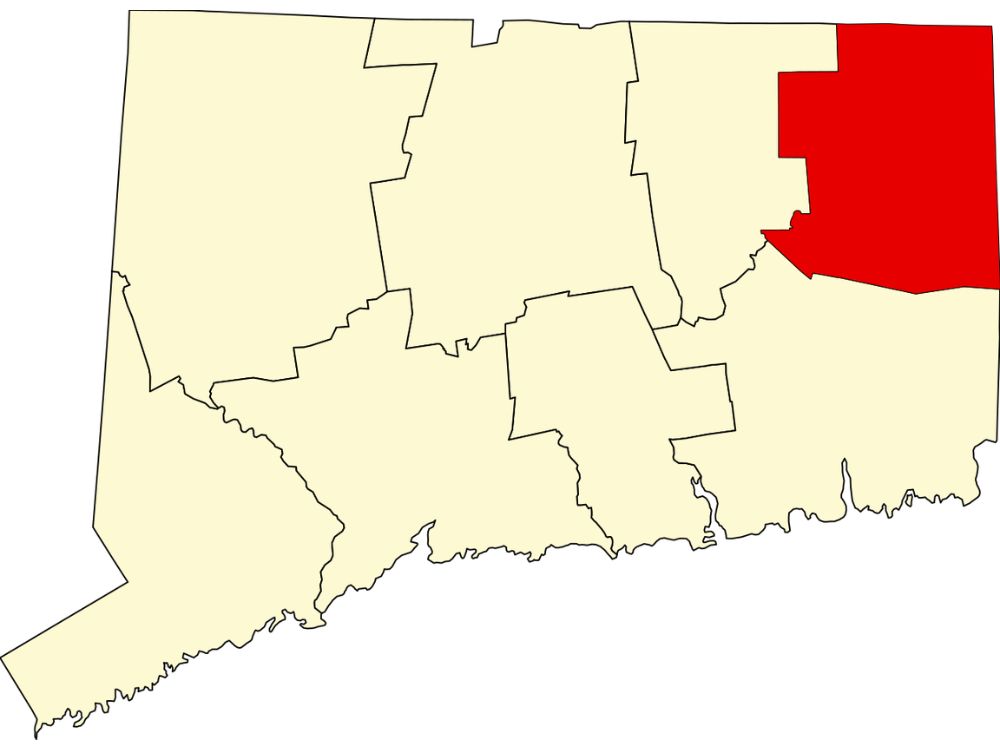
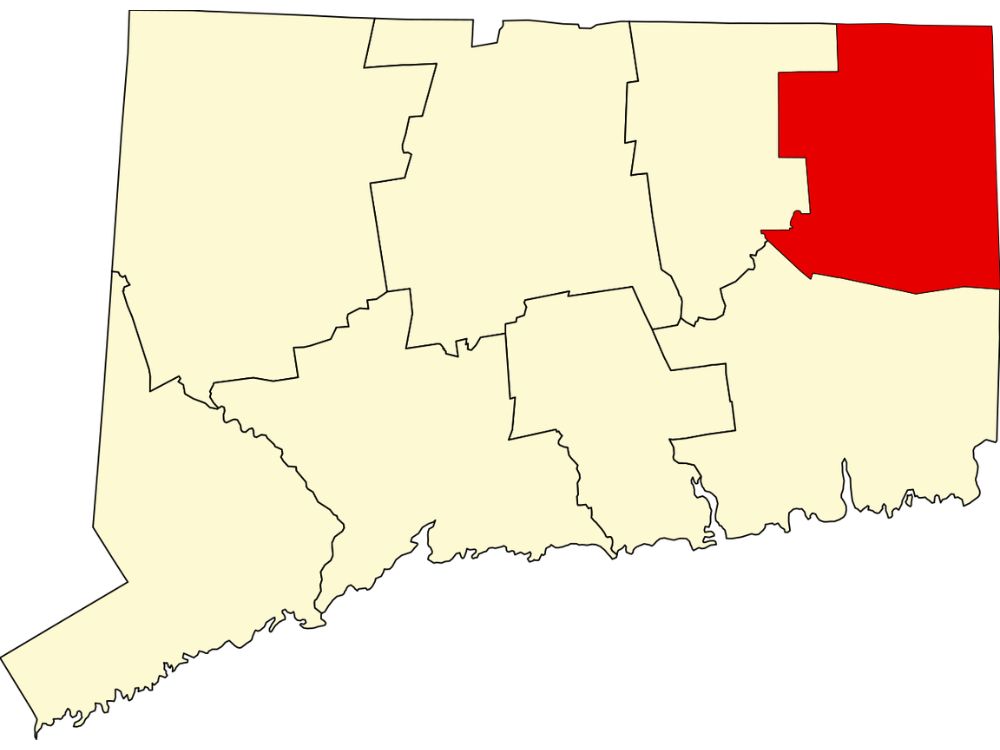
Windham County
Does Ashford, CT allow ADUs?
Yes. Ashford allows attached ADUs but does not allow detached ADUs. The unit must be between 500 and 700 square feet. Occupancy is limited to two people. No more than one bedroom is permitted. Owner occupancy is required.
Does Brooklyn, CT allow ADUs?
Yes. Brooklyn allows attached and detached ADUs. The regulation information provided shows a maximum ADU allowance of at least 1,000 square feet or 30% of the primary structure, whichever is smaller.
Does Canterbury, CT allow ADUs?
Yes. Canterbury allows ADUs on qualifying lots in the Rural District and by special exception in certain commercial districts. Attached and detached ADUs are permitted. The maximum is 1,000 square feet or 30% of the principal building. At least one off-street parking space is required. Owner occupancy is required.
Does Chaplin, CT allow ADUs?
Yes. Chaplin allows attached and detached ADUs. The size range is 500 to 1,200 square feet. Detached ADUs are subject to lot-size requirements. At least two additional parking spaces are required. Owner or qualifying family occupancy requirements apply. No more than two bedrooms are permitted.
Does Eastford, CT allow ADUs?
Yes. Eastford allows attached and detached ADUs. The general maximum is 1,000 square feet. An ADU between 1,000 and 1,250 square feet may be permitted with additional acreage under the provision provided. Adequate off-street parking is required. Owner occupancy is required.
Does Hampton, CT allow ADUs?
Yes. Hampton allows attached and detached ADUs. The maximum is 1,000 square feet or 33% of the combined living space of the principal and accessory units, whichever is less. Sufficient parking for both dwelling units and a turnaround must be provided.
Does Killingly, CT allow ADUs?
Yes. Killingly allows attached and detached ADUs. The maximum size is 1,000 square feet. A detached ADU must be within 150 feet of the primary residence or created through conversion of a qualifying existing detached structure. Owner occupancy is required. Attached ADUs are shown with one bedroom and detached ADUs with up to two bedrooms.
Does Plainfield, CT allow ADUs?
Yes. Plainfield allows attached ADUs but does not allow detached ADUs. The maximum size is 1,200 square feet and may not exceed 75% of the primary dwelling's livable floor area. At least two additional off-street parking spaces are required. No more than two bedrooms are permitted.
Does Pomfret, CT allow ADUs?
Yes. Pomfret allows attached and detached ADUs. The minimum size is 350 square feet. The ADU may not exceed 50% of the existing residential building's footprint. No additional curb cuts may be created.
Does Putnam, CT allow ADUs?
Yes. Putnam allows attached and detached ADUs. One ADU is permitted per single-family lot. The maximum size is 900 square feet.
Does Scotland, CT allow ADUs?
Yes. Scotland allows attached and detached ADUs. The size range is 400 to 850 square feet. The ADU may not exceed 30% of the principal dwelling's livable floor area. Utilities may connect through existing service or use new connections.
Does Sterling, CT allow ADUs?
Yes. Sterling permits ADUs. The supplied regulation information does not clearly identify whether attached and detached configurations are treated separately. The size range is 500 to 1,000 square feet. At least four off-street parking spaces are required. Occupancy is limited to two people. No more than one bedroom is permitted.
Does Thompson, CT allow ADUs?
Yes. Thompson allows attached and detached ADUs. The supplied regulation materials did not provide enough detail to reliably state the applicable size, utility, septic, parking, occupancy, or bedroom requirements. Those items should be confirmed before publication.
Does Windham, CT allow ADUs?
Yes. Windham allows attached and detached ADUs. Detached units in certain zoning districts may require approval as a special exception. The ADU may not exceed 30% of the primary dwelling's habitable floor area. Off-street parking must be provided on the property.
Does Woodstock, CT allow ADUs?
Yes. Woodstock allows attached and detached ADUs. The maximum is 50% of the principal dwelling's net floor area or 1,000 square feet, whichever is less. Additional regulation details should be confirmed where the supplied source information was incomplete.


Copyright 2026. All rights reserved. Norwalk, CT
Connecticut's New Home Construction Contractor License: #NHC.0017654
EPA Lead-Safe Certified NAT-F269966-1